June 8, 2026
Dental Health
When a tooth causes severe pain, your dentist may present two options: a root canal or an extraction. Many Yorkville patients immediately wonder which choice costs less and which protects their health. Understanding root canal vs. extraction — which saves your tooth and your wallet in Yorkville — helps you make a confident, informed decision. At Prairie Garden Dental – Yorkville, Dr. Reena Modjeski guides patients through this exact comparison every day.
Root Canal vs. Extraction: Understanding the Core Difference
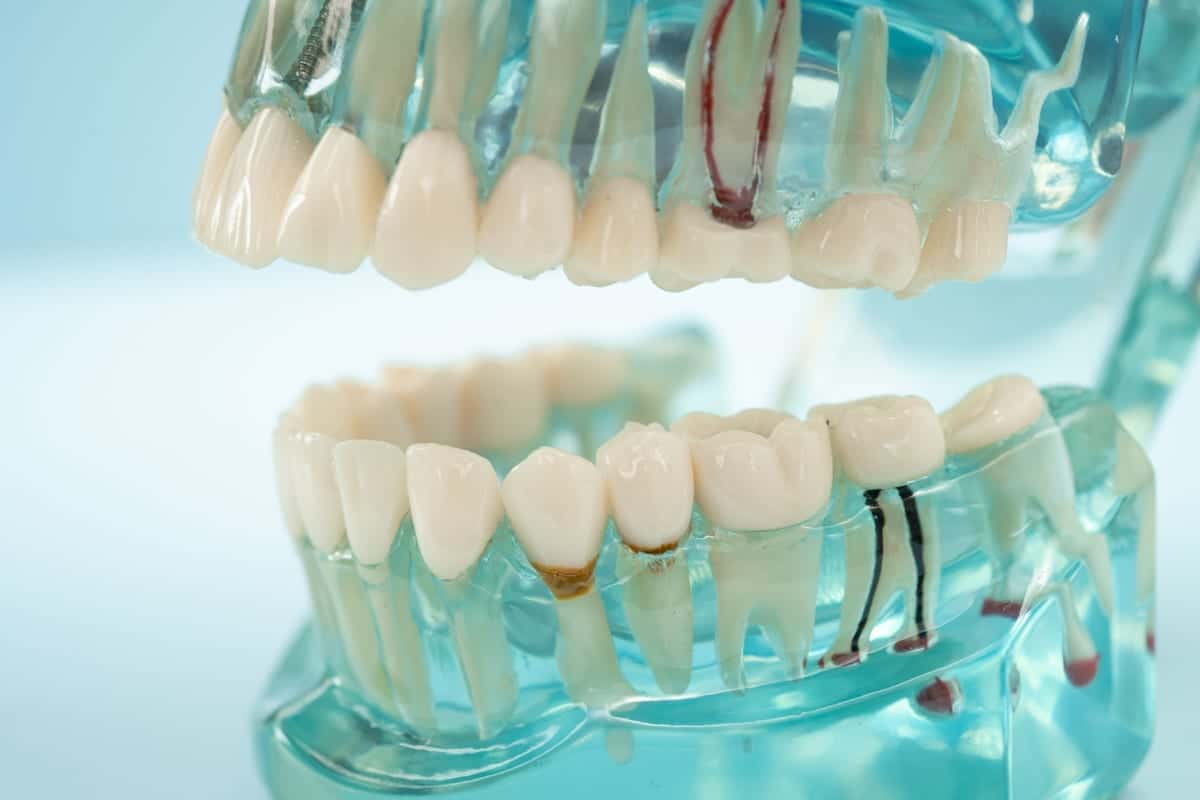
A root canal removes infected pulp tissue from inside the tooth. The tooth itself stays in your mouth, cleaned and sealed. An extraction removes the entire tooth from the socket. Both procedures address infection and relieve pain, but they lead to very different outcomes.
Root canal therapy preserves your natural tooth structure. Your bite stays balanced, and neighboring teeth stay in place. Extraction eliminates the tooth entirely, which can trigger bone loss and shifting teeth over time. Understanding this difference is the foundation of the root canal vs. extraction conversation.
Root Canal Therapy Yorkville Il is often the preferred first step when the tooth root and surrounding bone are still healthy. Dr. Modjeski evaluates each case individually to determine the right path forward.
Comparing Costs: Which Option Is Easier on Your Wallet?
Many patients assume extraction is the cheaper choice. The upfront cost is often lower. However, extracting a tooth creates a gap that almost always requires a replacement solution.
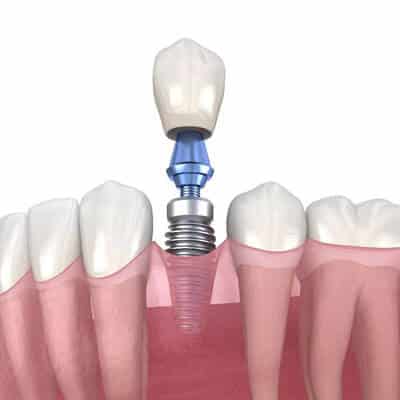
Common tooth replacement options after extraction include:
- Dental implants, which replace the root and crown
- Dental bridges, which anchor to neighboring teeth
- Partial dentures, which are removable appliances
Each replacement adds significant cost over time. A dental implant alone can exceed the total cost of a root canal and crown combined. When you factor in replacement procedures, extraction frequently costs more in the long run.
A root canal paired with a dental crown restores full function in one treatment sequence. You save money by keeping what you already have. For many Yorkville patients, this is the financially smarter choice.
Long-Term Health Impact: What Happens After Each Procedure
Losing a tooth affects more than your smile. The jawbone beneath an empty socket begins to resorb within months. Neighboring teeth gradually drift into the gap. This can alter your bite, create chewing difficulties, and affect facial structure over years.
Root canal treatment prevents all of these consequences. Your natural tooth continues to stimulate the surrounding bone. Your bite stays stable and functional. Most root canal-treated teeth last for decades with proper care.
Extraction followed by no replacement is the least favorable outcome for long-term oral health. Even with a bridge or implant, you are managing the secondary effects of losing a natural tooth. Whenever possible, saving the tooth is the healthier choice.
Patients interested in restoring their smile after tooth loss can also explore Cosmetic Dentistry Yorkville Il options that address both function and appearance. Dr. Modjeski creates treatment plans tailored to each patient’s goals.
Recovery: What to Expect After Each Procedure
Recovery timelines differ between the two procedures. Here is what most patients experience:
- Root canal recovery: Mild soreness for two to three days. Most patients return to normal activity the next day. A temporary crown protects the tooth until the permanent crown is placed.
- Extraction recovery: Soreness and swelling for three to five days. A blood clot must form in the socket. Patients must avoid hard foods, straws, and smoking during healing.
- Dry socket risk: A complication unique to extractions. It occurs when the blood clot dislodges and can extend healing significantly.
- Implant healing (if chosen after extraction): Several months of healing before the final crown is placed.
Root canal recovery is generally shorter and involves fewer restrictions. Most patients find it easier to manage than they expected. Modern techniques and local anesthesia make the procedure comfortable and efficient.
When Extraction Is the Right Choice
Root canals are not always possible or appropriate. There are situations where extraction is the correct clinical decision. Dr. Modjeski will recommend extraction when the tooth cannot support a crown or long-term function.
Extraction may be appropriate when:
- The tooth is severely fractured below the gumline
- Bone loss from advanced periodontal disease is extensive
- The tooth root is severely damaged or has an untreatable infection
- The patient needs orthodontic space for Invisalign or braces
In these cases, extraction protects surrounding teeth and overall oral health. A planned extraction followed by a dental implant or bridge can still deliver excellent results. The key is having a replacement plan ready before the tooth is removed.
Making the Right Decision for Your Smile in Yorkville
The best choice between a root canal and extraction depends on your specific tooth condition, bone health, and long-term goals. No online article can replace a thorough clinical evaluation. Dr. Reena Modjeski uses digital X-rays and a complete oral exam to determine the best path for each patient.
Yorkville patients deserve clear, honest guidance without pressure. Prairie Garden Dental – Yorkville is committed to helping you understand every option before you decide. Your comfort and confidence in the treatment plan matter deeply to our team.
If you are facing tooth pain or have been told you may need a root canal or extraction, do not wait. Early evaluation often means more options and better outcomes. Book Now to schedule your appointment with our team.
Frequently Asked Questions
Is a root canal more painful than a tooth extraction?
Most patients report that a root canal feels similar to getting a filling. Modern anesthesia makes both procedures comfortable. Root canal recovery is often gentler than extraction recovery, with less swelling and fewer activity restrictions.
Can I leave a gap after a tooth extraction?
Leaving a gap after extraction is not recommended for long-term oral health. The jawbone beneath the empty socket can shrink over time. Neighboring teeth may shift into the space, affecting your bite and overall alignment.
How long does a root canal take at Prairie Garden Dental – Yorkville?
Most root canal procedures are completed in one to two appointments. The length depends on the tooth’s location and the complexity of the infection. Dr. Modjeski will give you a clear timeline during your consultation.
Will my tooth look normal after a root canal?
Yes. A root canal-treated tooth is typically restored with a dental crown. The crown matches the shape and color of your natural teeth. Most patients cannot tell the difference between a treated tooth and their natural ones.
What is the first step if I am unsure whether I need a root canal or extraction?
Schedule a comprehensive exam with Dr. Modjeski at Prairie Garden Dental – Yorkville. She will evaluate the tooth with X-rays and a clinical exam, then explain your options clearly. You will leave the appointment with a full understanding of your treatment path.
Recent Posts

Sep. 21, 2026
Your Cosmetic Dental Work Will Only Last If You Do This

Sep. 14, 2026
Breaking the Bruxism Cycle: Why Your Grinding Worsens TMJ Pain

Sep. 07, 2026
Why Delaying Your Tooth Extraction Costs You More Than You Think

Aug. 24, 2026
Porcelain vs. Composite Veneers: Which Actually Lasts Longer?

Aug. 17, 2026
Your Invisalign Journey Isn’t Over When Treatment Ends
Catagories
- cosmetic dentist in Yorkville (0)
- Cosmetic Dentistry (5)
- Crooked Teeth (1)
- Crowns and bridges (1)
- Dental Health (15)
- Dental Implants (18)
- Dentist in Yorkville (4)
- Dentures (4)
- Digital X-Rays (1)
- Emergency Dentistry (4)
- Invisalign (7)
- Oral Care (8)
- Oral Surgery (1)
- Periodontal Therapy (3)
- Porcelain Veneers (6)
- Prairie Garden Dental (44)
- Root Canal Treatment (4)
- Sleep apnea (4)
- Sumner Dental Group (0)
- Teeth Whitening (7)
- tooth extraction (3)
- Uncategorized (6)
- Veneers (2)