August 24, 2026
Dental Health
If you’re exploring veneers in Yorkville, you’ve likely already hit the big question: porcelain or composite? When comparing porcelain vs. composite veneers and which actually lasts longer in Yorkville, the answer depends on more than just material. It comes down to your lifestyle, goals, and budget. Dr. Reena Modjeski at Prairie Garden Dental – Yorkville helps patients weigh these factors every day. This guide breaks down both options so you can make a confident, informed decision.
What Are Porcelain and Composite Veneers?
Veneers are thin shells bonded to the front surface of your teeth. They improve shape, color, and overall smile appearance. Both types serve the same purpose but differ significantly in material and process.
Porcelain veneers are crafted from ceramic in a dental lab. They require two or more appointments and some enamel removal. The result is a highly realistic, stain-resistant surface that mimics natural tooth structure beautifully.
Composite resin veneers are applied directly to your teeth in a single visit. Your dentist sculpts the resin by hand and cures it with a special light. They require less enamel removal and are easier to repair if damaged.
- Porcelain veneers: lab-fabricated, multi-visit, highly durable
- Composite veneers: chairside application, single visit, more affordable
- Both types bond directly to the front surface of teeth
- Each option can dramatically improve smile aesthetics
Durability and Longevity: Porcelain vs. Composite Veneers in Yorkville
Durability is often the deciding factor for patients in Yorkville. Porcelain veneers typically last 10 to 15 years with proper care. Some patients enjoy them even longer with good oral hygiene habits.
Composite veneers generally last 5 to 7 years. They are more prone to chipping and staining over time. However, they are also much easier and less costly to repair when damage occurs.
Porcelain is harder and more resistant to daily wear. It resists coffee, tea, and red wine staining far better than composite resin. If longevity is your top priority, porcelain holds a clear advantage.
That said, composite veneers can be touched up or repaired at the chair. Porcelain veneers, once chipped, usually require full replacement. For active lifestyles or younger patients, that repairability can matter a great deal.
Aesthetics: Which Looks More Natural?
Both veneer types produce beautiful results in skilled hands. However, porcelain has a slight edge when it comes to replicating the translucency of natural enamel. Light interacts with porcelain similarly to how it interacts with real teeth.
Composite resin has improved significantly over the years. Modern composite materials can achieve very natural-looking results. An experienced dentist like Dr. Modjeski can layer and shape composite to blend seamlessly with surrounding teeth.
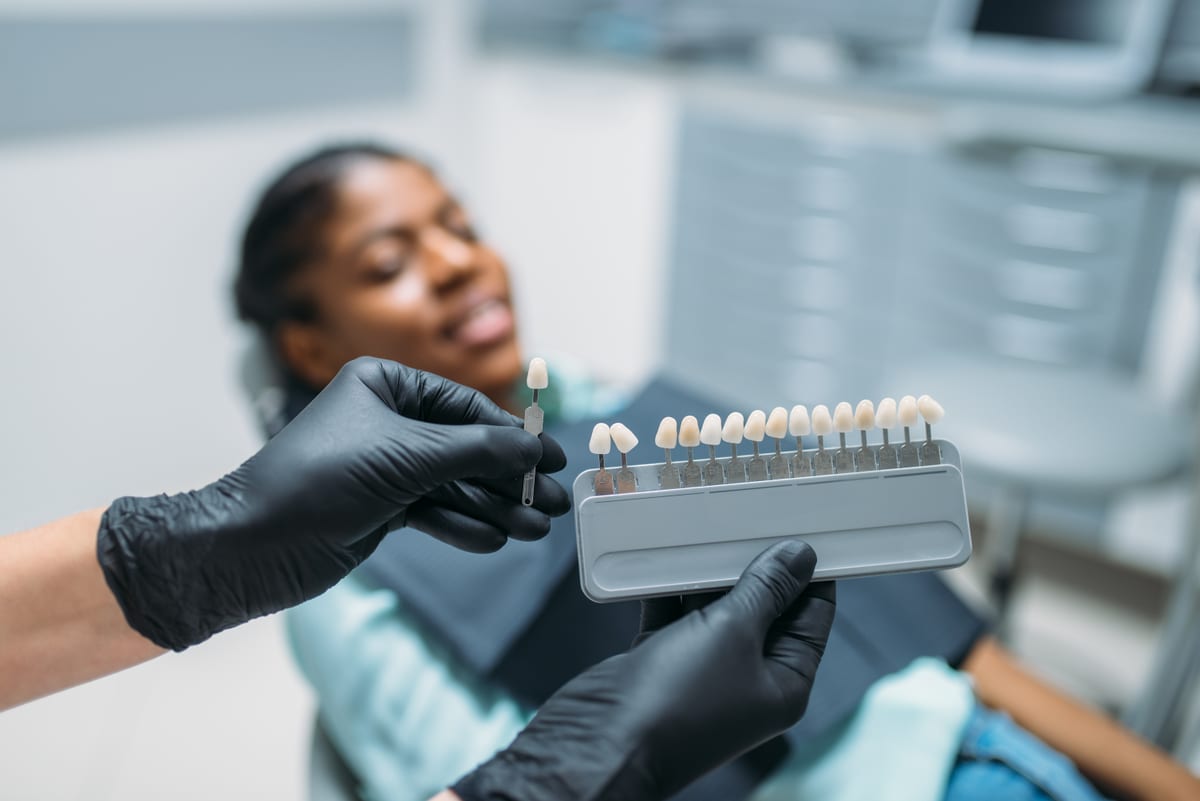
Porcelain veneers are custom-shaded and shaped in a dental lab. This precise fabrication process results in consistently high-quality aesthetics. For patients who want the most lifelike smile possible, porcelain is usually the preferred choice.
- Porcelain offers superior translucency and light reflection
- Composite can be polished to a high shine but may dull over time
- Both options allow custom color matching to surrounding teeth
- Porcelain is less likely to discolor or stain over the years
Cost Differences and What to Expect
Cost is a major consideration when choosing between these two options. Composite veneers cost significantly less per tooth than porcelain. This makes them an accessible entry point for patients exploring smile improvements.
Porcelain veneers involve lab fees, multiple appointments, and more complex preparation. That increases the overall investment per tooth. However, their longer lifespan can make them more cost-effective over time.
Think of it this way: replacing composite veneers every five to seven years adds up. Porcelain veneers that last 15 years may ultimately cost less over a decade. Dr. Modjeski helps patients calculate what makes sense for their long-term goals.
It’s also worth considering that composite veneers require fewer repairs if they chip. A small touch-up is quick and affordable. With porcelain, a chipped veneer typically means a full replacement, which is a larger expense.
The Procedure: What Happens at Each Appointment
Understanding the process helps patients know what to expect at Prairie Garden Dental – Yorkville. The two types of veneers require very different procedures.
For porcelain veneers, the process typically unfolds like this:
- Consultation and smile design planning
- Enamel preparation and impressions taken
- Temporary veneers placed while lab fabricates the final set
- Final porcelain veneers bonded at a follow-up appointment
For composite veneers, the process is much more streamlined:
- Consultation to discuss shape and shade goals
- Minimal enamel preparation if needed
- Composite resin applied, sculpted, and shaped directly on the tooth
- Cured with a light and polished — all in one visit
The single-visit nature of composite veneers appeals to busy Yorkville patients. Porcelain veneers require more planning but deliver a more permanent transformation. Both procedures are performed with your comfort as the priority.
If you’re also considering options like Crowns And Bridges Yorkville, Dr. Modjeski can help determine which restorative path makes the most sense for your smile. And if you’re looking for ongoing preventive care alongside cosmetic work, our Family Dentistry Yorkville Il Yorkville services provide comprehensive support for every stage of your oral health journey.
Which Veneer Is Right for You in Yorkville?
There is no universal right answer between porcelain and composite. The best choice depends on your specific goals and circumstances. A thorough consultation is always the best starting point.
Choose porcelain veneers if you want maximum longevity, superior aesthetics, and don’t mind the higher upfront investment. They’re ideal for patients committed to a permanent smile transformation.
Choose composite veneers if you want an affordable, reversible, quick option. They work well for younger patients, those testing the cosmetic veneer experience, or anyone with budget constraints.
Dr. Modjeski takes time to understand what each patient truly wants. She evaluates tooth structure, bite, and aesthetic goals before recommending a path forward. You’ll never feel rushed or pressured into a decision.
At Prairie Garden Dental – Yorkville, the goal is always to give you accurate information so you choose wisely. Your smile is personal, and your treatment should reflect that. Book Now to schedule your appointment with our team.
Frequently Asked Questions
How long do porcelain veneers actually last?
Porcelain veneers typically last between 10 and 15 years with proper care. Some patients keep them in excellent condition for even longer. Regular dental checkups and good oral hygiene are key to maximizing their lifespan.
Can composite veneers be whitened if they stain?
Unfortunately, composite resin does not respond to traditional whitening treatments. If composite veneers become discolored, your dentist can polish them or replace the resin. This is one reason some patients prefer porcelain for its natural stain resistance.
Do veneers require removing a lot of tooth enamel?
Porcelain veneers require more enamel removal than composite veneers. Composite veneers are considered more conservative because they often require minimal preparation. Dr. Modjeski always removes as little enamel as possible to preserve natural tooth structure.
Are veneers a good option for everyone?
Veneers work best for patients with good overall oral health. Active gum disease, significant decay, or severe bite issues may need to be addressed first. A consultation with Dr. Modjeski will determine whether veneers are appropriate for your specific situation.
What is the difference in maintenance between porcelain and composite veneers?
Both veneer types require regular brushing, flossing, and dental checkups. Composite veneers may need periodic polishing to maintain their shine. Porcelain veneers are more stain-resistant but should be protected from hard foods and teeth grinding.
Recent Posts
Oct. 12, 2026
Root Canal Myths That Keep Patients Unnecessarily Anxious

Sep. 28, 2026
Emergency Dental Care Costs Less Now Than Waiting Will Later

Sep. 21, 2026
Your Cosmetic Dental Work Will Only Last If You Do This

Sep. 14, 2026
Breaking the Bruxism Cycle: Why Your Grinding Worsens TMJ Pain

Sep. 07, 2026
Why Delaying Your Tooth Extraction Costs You More Than You Think
Catagories
- cosmetic dentist in Yorkville (0)
- Cosmetic Dentistry (5)
- Crooked Teeth (1)
- Crowns and bridges (1)
- Dental Health (17)
- Dental Implants (18)
- Dentist in Yorkville (4)
- Dentures (4)
- Digital X-Rays (1)
- Emergency Dentistry (4)
- Invisalign (7)
- Oral Care (8)
- Oral Surgery (1)
- Periodontal Therapy (3)
- Porcelain Veneers (6)
- Prairie Garden Dental (44)
- Root Canal Treatment (4)
- Sleep apnea (4)
- Sumner Dental Group (0)
- Teeth Whitening (7)
- tooth extraction (3)
- Uncategorized (6)
- Veneers (2)