
September 14, 2026
Dental Health
Many people in Yorkville wake up with sore jaws, headaches, or worn-down teeth — and never connect those symptoms to a grinding habit. Breaking the bruxism cycle and understanding why your grinding worsens TMJ pain in Yorkville is the first step toward real relief. At Prairie Garden Dental, Dr. Reena Modjeski sees this pattern regularly. The good news is that with the right approach, you can interrupt the cycle and protect your long-term oral health.
What Is the Bruxism-TMJ Cycle?
Bruxism is the clinical term for teeth grinding or clenching. It often happens during sleep, so many patients don’t even realize they’re doing it. Over time, this grinding places enormous stress on the temporomandibular joint — your TMJ.
The TMJ connects your lower jaw to your skull on each side of your face. It controls chewing, speaking, and yawning. When bruxism strains this joint repeatedly, inflammation and pain develop quickly.
Here’s where the cycle becomes problematic. Joint pain and inflammation actually trigger more muscle tension in the jaw. That muscle tension leads to more clenching. More clenching causes more joint damage. The cycle feeds itself — and many patients don’t seek help until the damage is already significant.
How Grinding Causes Direct TMJ Damage in Yorkville Patients
Every time you grind your teeth, you apply far more force than normal chewing ever would. Researchers estimate that bruxism can generate forces up to ten times greater than regular biting. That sustained pressure wears down tooth enamel and strains the joint’s soft tissue cushion — called the articular disc.
When the disc becomes damaged or displaced, the joint loses its smooth movement. Patients often notice clicking, popping, or locking of the jaw. These symptoms are classic signs that the TMJ is under serious mechanical stress.
Yorkville residents who grind at night often report these warning signs:
- Morning jaw soreness or stiffness
- Frequent tension headaches, especially near the temples
- Ear pain or a sensation of fullness in the ears
- Facial muscle fatigue after waking
- Flattened, chipped, or cracked teeth
- Increased tooth sensitivity
If you recognize these symptoms, you’re likely caught in the bruxism-TMJ cycle already. Early intervention makes a significant difference in outcomes.
Why TMJ Pain Makes Bruxism Worse — Breaking the Feedback Loop
Most patients focus only on the grinding itself. However, the TMJ pain side of the equation is equally important to address. When your jaw joint hurts, your body responds with protective muscle guarding.
Muscle guarding is an involuntary tightening around an injured area. In the jaw, this means the muscles responsible for clenching become chronically tense. That chronic tension causes you to clench more — even during the day without realizing it.
Stress also plays a powerful role here. Pain from TMJ dysfunction raises overall stress levels. Elevated stress is one of the most common triggers for nighttime grinding. So the pain itself creates conditions that worsen the very habit causing the pain.
Breaking this feedback loop requires treating both the grinding behavior and the joint inflammation simultaneously. Treating only one side rarely produces lasting relief.
Treatment Options That Interrupt the Bruxism Cycle
Dr. Reena Modjeski at Prairie Garden Dental takes a comprehensive approach to managing bruxism and TMJ pain. Treatment plans are tailored to each patient’s specific situation and symptom severity.
Here are the most effective strategies used to interrupt the cycle:
- Custom night guards: A professionally fitted oral splint cushions the teeth and reduces grinding forces on the TMJ during sleep.
- Occlusal adjustment: Correcting the bite alignment reduces uneven pressure that contributes to clenching.
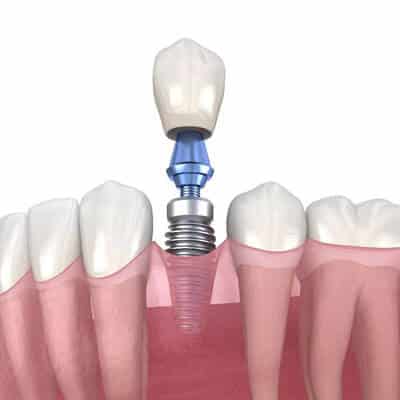
- Restorative dentistry: Severely worn teeth may need Crowns And Bridges Yorkville to restore proper bite height and function.
- Stress management guidance: Reducing the psychological triggers of grinding is an essential part of long-term success.
- Physical therapy referrals: Jaw exercises and soft tissue therapy can reduce muscle tension around the joint.
- Anti-inflammatory care: Targeted strategies to reduce joint inflammation help break the pain-grinding feedback loop.
Each of these approaches targets a different part of the cycle. Combining them produces the most durable results for patients in Yorkville and the surrounding community.
Protecting Your Teeth While Managing Bruxism and TMJ Pain
Bruxism doesn’t just damage joints — it destroys tooth structure as well. Enamel lost to grinding never grows back. That’s why protecting your teeth is a parallel priority alongside joint care.
Many patients grinding for years develop severely flattened teeth. This changes the bite geometry, which in turn puts new stresses on the TMJ. It becomes another feedback loop within the larger cycle.
Restorative solutions like dental crowns rebuild tooth height and restore proper bite function. When combined with a night guard, crowns protect both the restoration and the underlying joint from future damage. Patients receiving comprehensive Family Dentistry Yorkville Il Yorkville care benefit from having all these concerns addressed in one practice, with a team that understands the full picture of their oral health.
Proactive monitoring is equally important. Regular check-ups allow Dr. Modjeski to track changes in tooth wear and joint health over time. Catching progression early keeps treatment options simpler and less invasive.
When to Seek Help for Bruxism and TMJ Pain in Yorkville
You don’t need to wait until you’re in severe pain to seek evaluation. In fact, earlier intervention consistently leads to better outcomes. If you notice even mild jaw soreness, unexplained headaches, or signs of tooth wear, schedule a consultation soon.
During your appointment, Dr. Modjeski will examine your teeth for signs of grinding damage, evaluate your bite alignment, and assess your TMJ function. She’ll ask about your sleep habits, stress levels, and any jaw symptoms you’ve noticed. This thorough evaluation guides a precise and personalized treatment plan.
Yorkville patients don’t have to live with chronic jaw pain or keep watching their teeth wear down. Breaking the bruxism cycle is entirely achievable with expert guidance and consistent care. Take the first step today — Book Now to schedule your appointment with our team.
Frequently Asked Questions
Can bruxism go away on its own without treatment?
Mild bruxism sometimes decreases when stress levels drop, but structural damage to the TMJ and teeth does not reverse itself. Without treatment, most patients see the grinding worsen over time as joint damage increases jaw discomfort and muscle tension. Professional evaluation is the safest approach to prevent long-term harm.
How do I know if I grind my teeth at night?
Common signs include waking up with jaw soreness, frequent morning headaches, flattened or chipped teeth, and increased tooth sensitivity. A partner may also report hearing grinding sounds during your sleep. Dr. Modjeski can identify wear patterns during a routine dental exam even if you have no obvious symptoms yet.
Will a night guard fix my TMJ pain completely?
A custom night guard is a highly effective tool for reducing grinding forces and protecting the joint during sleep. However, it works best as part of a broader treatment plan that addresses bite alignment, inflammation, and any structural damage already present. Night guards alone may not resolve advanced TMJ dysfunction.
Is TMJ pain related to my overall dental health?
Absolutely. TMJ dysfunction, bruxism, tooth wear, and bite alignment are all interconnected. Changes in one area affect the others. That is why comprehensive dental care — covering both restorative and preventive needs — provides the most complete and lasting relief for patients dealing with these overlapping conditions.
How long does it take to break the bruxism-TMJ cycle?
The timeline varies depending on how long the cycle has been active and the severity of joint involvement. Many patients notice significant symptom improvement within a few weeks of wearing a night guard consistently. Full resolution of TMJ inflammation and muscle tension often takes several months of combined care and monitoring.
Recent Posts
Sep. 14, 2026
Breaking the Bruxism Cycle: Why Your Grinding Worsens TMJ Pain

Sep. 07, 2026
Why Delaying Your Tooth Extraction Costs You More Than You Think
Aug. 24, 2026
Porcelain vs. Composite Veneers: Which Actually Lasts Longer?

Aug. 17, 2026
Your Invisalign Journey Isn’t Over When Treatment Ends

Aug. 10, 2026
Get Your Smile Camera-Ready: Your Wedding Whitening Timeline
Catagories
- cosmetic dentist in Yorkville (0)
- Cosmetic Dentistry (5)
- Crooked Teeth (1)
- Crowns and bridges (1)
- Dental Health (14)
- Dental Implants (18)
- Dentist in Yorkville (4)
- Dentures (4)
- Digital X-Rays (1)
- Emergency Dentistry (4)
- Invisalign (7)
- Oral Care (8)
- Oral Surgery (1)
- Periodontal Therapy (3)
- Porcelain Veneers (6)
- Prairie Garden Dental (44)
- Root Canal Treatment (4)
- Sleep apnea (4)
- Sumner Dental Group (0)
- Teeth Whitening (7)
- tooth extraction (3)
- Uncategorized (6)
- Veneers (2)