
September 21, 2026
Dental Health
You invested time, money, and care into your smile. Whether you chose veneers, teeth whitening, or dental implants, the results matter to you. But here in Yorkville, many patients are surprised to learn that cosmetic dental work requires ongoing maintenance. Your cosmetic dental work will only last if you do this Yorkville patients often overlook — consistent, informed aftercare. Dr. Reena Modjeski at Prairie Garden Dental is here to help you understand exactly what that means.
Why Cosmetic Dental Work Needs Ongoing Care in Yorkville
Cosmetic dentistry delivers stunning results. However, those results are not permanent by default. Every type of cosmetic treatment has a lifespan that depends heavily on how well you care for it.
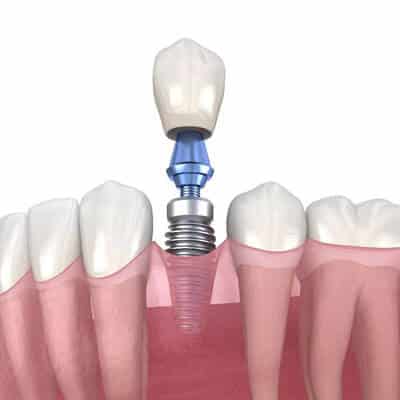
Veneers can last 10 to 15 years with proper habits. Teeth whitening may fade in as little as six months without upkeep. Even dental implants, one of the most durable options available, need consistent oral hygiene to stay healthy long-term.
The environment inside your mouth is constantly changing. Bacteria, food acids, grinding, and everyday wear all put pressure on cosmetic restorations. Without the right habits, even the best dental work will deteriorate faster than expected.
Understanding what threatens your results is the first step. From there, building simple daily routines and attending regular dental visits makes all the difference.
What to Avoid After Cosmetic Dental Treatment
Certain habits can chip, stain, or weaken cosmetic dental work quickly. Avoiding these is one of the most important things you can do to protect your investment.
- Hard and crunchy foods: Biting into hard candies, ice, or crusty bread can crack veneers or chip crowns.
- Staining beverages: Coffee, red wine, and dark teas discolor whitened teeth and composite bonding over time.
- Tobacco products: Smoking or chewing tobacco stains restorations and increases the risk of gum disease.
- Using teeth as tools: Opening packages or bottles with your teeth puts dangerous stress on restorations.
- Skipping a night guard: Grinding your teeth at night is one of the fastest ways to damage crowns, veneers, and implants.
- Aggressive brushing: Scrubbing too hard with a stiff-bristled toothbrush can erode protective surfaces on restorations.
Many Yorkville patients are surprised that their everyday habits affect cosmetic work so significantly. Small changes in behavior protect your smile for years to come.
Daily Habits That Help Cosmetic Dental Work Last Longer
Good maintenance starts at home. Building consistent daily habits gives your cosmetic restorations the best possible environment to thrive.
Brush twice a day using a soft-bristled toothbrush and non-abrasive toothpaste. Abrasive whitening toothpastes can scratch veneer surfaces and dull their finish. Flossing once daily removes bacteria and debris from around crowns, bridges, and implants.
Rinsing with an alcohol-free mouthwash helps reduce bacteria without drying out soft tissue. For patients with Crowns And Bridges Yorkville, a water flosser is especially helpful for cleaning hard-to-reach areas around restorations.
Staying hydrated is also underrated. Water helps wash away food particles and keeps saliva levels healthy. Saliva naturally neutralizes acids that break down both natural teeth and cosmetic materials.
- Brush twice daily with a soft-bristled brush
- Floss every day, especially around crowns and implants
- Use an alcohol-free, non-abrasive mouthwash
- Drink plenty of water throughout the day
- Wear a custom night guard if you grind your teeth
- Avoid chewing on your non-dominant side to reduce uneven wear
These habits take only minutes each day. Consistency is what separates patients whose cosmetic work lasts a decade from those who need touch-ups within a few years.
When to Schedule Maintenance Visits at Prairie Garden Dental
Home care is essential, but professional maintenance is equally important. Dr. Reena Modjeski and the team at Prairie Garden Dental provide expert monitoring that protects your cosmetic results over time.
Most patients with cosmetic dental work should visit every six months for a cleaning and checkup. During these visits, the dental team checks for early signs of wear, shifting, or damage to restorations. Catching small issues early prevents more extensive repairs later.
Teeth whitening patients may benefit from professional touch-up treatments once or twice a year. This keeps the shade consistent and addresses any gradual staining before it becomes noticeable.
For patients who have undergone more complex treatment, the schedule may differ. Our team tailors visit frequency to each patient’s unique situation. This is part of the Family Dentistry Yorkville Il Yorkville approach we take — personalized, ongoing care for every stage of life.
Do not wait until something looks or feels wrong. Preventive maintenance visits are always less disruptive and less costly than reactive repairs. Your long-term smile health depends on these regular check-ins.
Protecting Your Smile Through Every Season in Yorkville
Living in Yorkville means adjusting your routine with the seasons. Cold winters can increase tooth sensitivity, especially after whitening treatments. Staying on top of your oral care year-round keeps your cosmetic work protected.
Consider using a sensitivity toothpaste during colder months if whitening has left your teeth more reactive. This soothes the nerve response without compromising your results. Ask Dr. Modjeski which formula works best for your specific restorations.
Sports and outdoor activities are popular in the Yorkville area. If you play contact sports or recreational activities, wearing a mouthguard protects veneers, crowns, and natural teeth from impact damage. A custom-fitted guard from our office is far more protective than a store-bought option.
Stress is another factor that affects oral health. High-stress periods often lead to clenching and grinding, which accelerates wear on restorations. Recognizing this pattern and wearing a night guard during stressful times protects your cosmetic work significantly.
Your smile is a long-term commitment. Prairie Garden Dental is proud to support Yorkville patients in maintaining it through every season and every stage of life.
Conclusion: Your Smile Is Worth Protecting
Cosmetic dental work transforms smiles and builds confidence. But that transformation only lasts with the right care. Avoiding damaging habits, building strong daily routines, and attending regular maintenance visits at Prairie Garden Dental are what make results truly last. Dr. Reena Modjeski and her team in Yorkville are here to guide you every step of the way. Book Now to schedule your appointment with our team.
Frequently Asked Questions
How long does cosmetic dental work typically last?
The lifespan varies by treatment. Veneers can last 10 to 15 years, dental implants can last decades, and teeth whitening may need refreshing every six to twelve months. Proper daily care and regular dental visits significantly extend results for all cosmetic treatments.
Can I still drink coffee after getting veneers or whitening?
You can, but moderation helps. Dark beverages like coffee, tea, and red wine can stain cosmetic restorations over time. Drinking through a straw reduces direct contact with teeth, and rinsing with water afterward helps minimize staining.
How often should I visit the dentist after cosmetic dental treatment?
Most patients benefit from professional cleanings and checkups every six months. However, Dr. Modjeski may recommend more frequent visits depending on your specific treatment and oral health needs. Regular visits allow the team to catch wear or damage early.
Do I need a night guard if I have veneers or crowns?
Yes, a night guard is strongly recommended if you grind or clench your teeth. Grinding places enormous pressure on cosmetic restorations and can cause cracking, chipping, or premature wear. A custom night guard from Prairie Garden Dental provides the best fit and protection.
What toothpaste is safe to use on cosmetic dental work?
Non-abrasive, fluoride toothpaste is the safest choice for most cosmetic restorations. Avoid heavily abrasive whitening toothpastes, which can scratch veneer surfaces and dull their finish. Dr. Modjeski can recommend the best product for your specific type of cosmetic work.
Recent Posts
Sep. 21, 2026
Your Cosmetic Dental Work Will Only Last If You Do This

Sep. 14, 2026
Breaking the Bruxism Cycle: Why Your Grinding Worsens TMJ Pain

Sep. 07, 2026
Why Delaying Your Tooth Extraction Costs You More Than You Think
Aug. 24, 2026
Porcelain vs. Composite Veneers: Which Actually Lasts Longer?

Aug. 17, 2026
Your Invisalign Journey Isn’t Over When Treatment Ends
Catagories
- cosmetic dentist in Yorkville (0)
- Cosmetic Dentistry (5)
- Crooked Teeth (1)
- Crowns and bridges (1)
- Dental Health (15)
- Dental Implants (18)
- Dentist in Yorkville (4)
- Dentures (4)
- Digital X-Rays (1)
- Emergency Dentistry (4)
- Invisalign (7)
- Oral Care (8)
- Oral Surgery (1)
- Periodontal Therapy (3)
- Porcelain Veneers (6)
- Prairie Garden Dental (44)
- Root Canal Treatment (4)
- Sleep apnea (4)
- Sumner Dental Group (0)
- Teeth Whitening (7)
- tooth extraction (3)
- Uncategorized (6)
- Veneers (2)