October 19, 2026
Dental Health
Choosing the right denture type is one of the most important decisions you can make for your smile. When patients in Yorkville explore full vs partial vs implant dentures, finding which fits your smile best depends on several personal factors. At Prairie Garden Dental – Yorkville, Dr. Reena Modjeski helps patients understand every option clearly. This guide walks you through each type so you can make a confident, informed choice.
Understanding Full Dentures: Who Are They For?
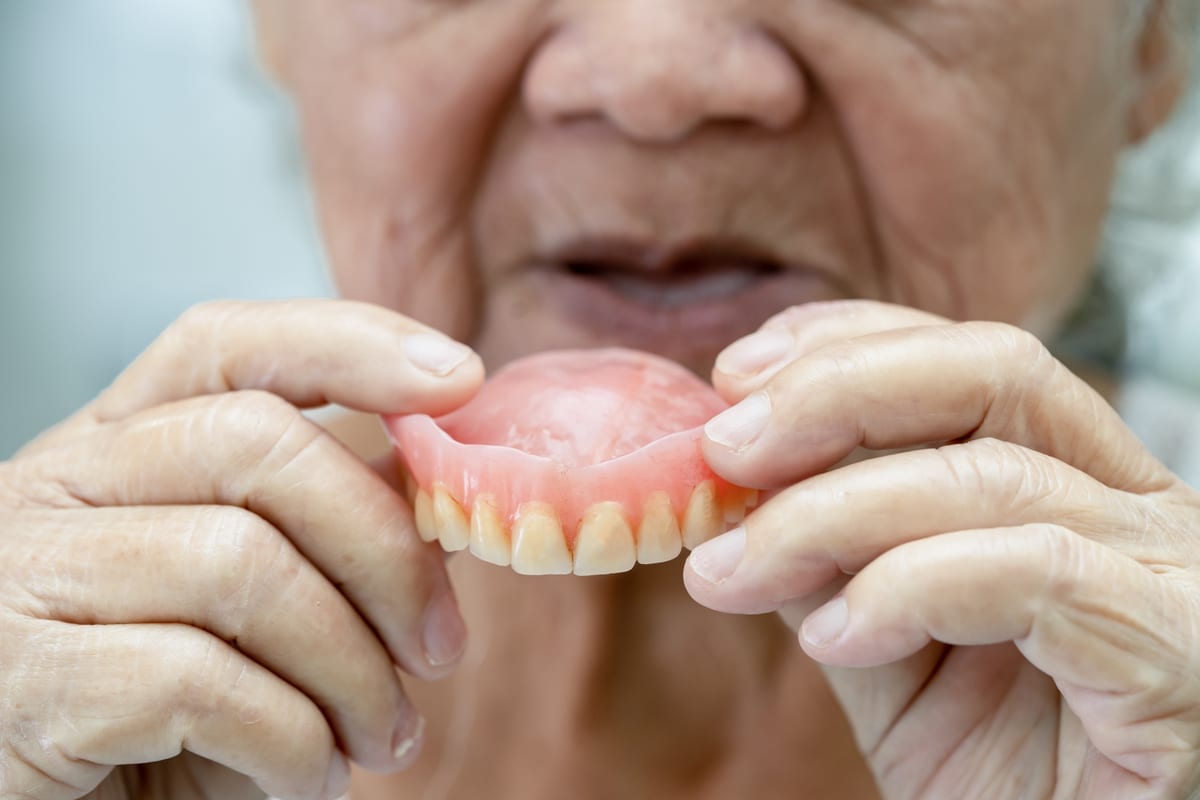
Full dentures — also called complete dentures — replace an entire arch of missing teeth. They rest directly on the gum tissue and are held in place by natural suction or a dental adhesive. Full dentures are typically recommended when a patient has lost all teeth in the upper jaw, lower jaw, or both.
The process usually begins with tooth extractions if any teeth remain. After healing, the dentist takes precise impressions of your gums. A custom denture is then fabricated to match your mouth’s contours. Most patients receive a temporary denture during the healing phase so they are never without teeth.
Full dentures require daily removal for cleaning and soaking overnight. They may need periodic adjustments as the jawbone changes shape over time. With proper care, full dentures can last five to eight years before needing replacement. They remain one of the most affordable and widely used solutions for complete tooth loss.
Partial Dentures Explained: Filling the Gaps
Partial dentures are designed for patients who still have some healthy natural teeth remaining. They fill the spaces left by one or more missing teeth without removing healthy adjacent teeth. A metal or flexible framework attaches to your natural teeth using small clasps. This keeps the partial denture stable and comfortable during daily use.
Partial dentures serve both functional and cosmetic purposes. They restore your ability to chew and speak naturally. They also prevent remaining teeth from shifting into the empty spaces. Drifting teeth can cause bite problems and make future dental work more complex.
Getting a partial denture involves taking impressions of your existing teeth and gums. The dental lab custom-crafts the appliance to fit precisely. Most patients adapt to wearing a partial denture within a few weeks. Like full dentures, partials are removable and require regular cleaning to maintain oral health.
Partial dentures are a smart, cost-effective middle-ground solution. They work best when the remaining teeth are strong and healthy. Dr. Modjeski can assess whether your existing teeth provide enough support for a stable partial denture.
Implant-Supported Dentures: A More Permanent Solution
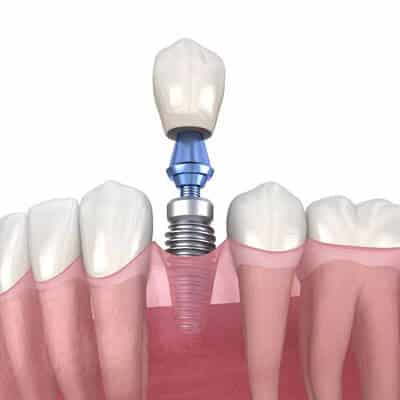
Implant-supported dentures combine the stability of dental implants with the coverage of traditional dentures. Small titanium posts are surgically placed into the jawbone. These posts act as artificial tooth roots. The denture then snaps onto or is fixed to these implants for a much firmer hold.
There are two main styles of implant dentures. Snap-on implant dentures are removable for cleaning but lock securely in place during the day. Fixed implant dentures are permanently attached and can only be removed by a dentist. Both options feel significantly more stable than traditional dentures.
Implant-supported dentures offer important long-term benefits:
- They prevent jawbone loss that occurs after tooth extraction
- They eliminate the slipping or shifting common with traditional dentures
- They allow you to eat a wider variety of foods with confidence
- They look and feel much closer to natural teeth
- They can last many years with proper care and maintenance
The process for implant dentures takes longer than traditional dentures. It typically involves multiple appointments over several months. After implant placement, the bone needs time to fuse with the titanium posts. This healing process, called osseointegration, is essential for long-term success.
Implant dentures cost more upfront than full or partial dentures. However, their durability and quality of life benefits often make them a worthwhile long-term investment. Patients who prioritize stability and bone preservation frequently choose this option.
Full vs Partial vs Implant Dentures: Key Differences at a Glance
Comparing these three denture types side by side helps clarify which fits your smile best in Yorkville. Each option suits a different clinical situation. Here is a quick breakdown to help you visualize the differences:
- Full dentures: Best for complete tooth loss in one or both arches; removable; most affordable upfront
- Partial dentures: Best for patients with some remaining healthy teeth; removable; preserves natural tooth structure
- Implant dentures: Best for patients seeking maximum stability; can be fixed or removable; highest upfront cost but greatest long-term value
Your age, bone density, overall oral health, and personal goals all influence which type is right for you. Patients with significant bone loss may need a bone graft before implants are possible. Dr. Modjeski evaluates each patient individually before making a recommendation.
It is also worth noting that dentures pair well with other restorative options. For example, Crowns And Bridges Yorkville can sometimes be an alternative or complement to partial dentures. Bridges work well when only one or two teeth are missing and adjacent teeth are strong. Dr. Modjeski will help you understand when a bridge might serve you better than a partial denture.
What to Expect During Your Denture Consultation in Yorkville
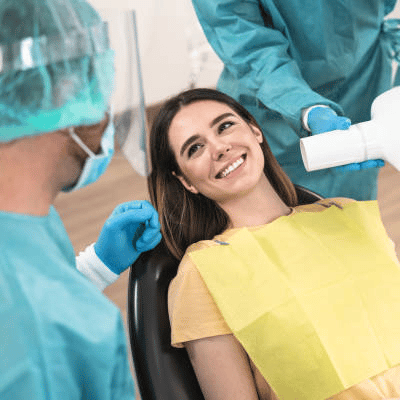
Your first step is a comprehensive consultation with Dr. Reena Modjeski at Prairie Garden Dental – Yorkville. She will examine your mouth, take X-rays, and review your dental history. This assessment helps determine which denture type best matches your clinical needs and personal preferences.
Here is a general overview of what the consultation process involves:
- A full oral examination including gum and bone assessment
- Digital X-rays to evaluate jawbone density and remaining tooth roots
- A discussion of your lifestyle, budget, and smile goals
- A personalized treatment plan outlining your best options
- A walkthrough of timelines and what each treatment step involves
If cosmetic improvements are also on your mind, Dr. Modjeski can discuss options such as Cosmetic Dentistry Yorkville Il Yorkville to enhance your overall smile alongside your denture treatment. Looking and feeling your best matters at every stage of care. Our team takes the time to understand your full vision for your smile.
Prairie Garden Dental – Yorkville is committed to patient-centered education. We never rush decisions that affect your long-term oral health. Our goal is to ensure you fully understand your options before any treatment begins.
Conclusion: Finding the Right Fit for Your Smile
Whether you are considering full dentures, partial dentures, or implant-supported dentures, the right choice depends on your unique situation. Each option offers real benefits for the right candidate. With expert guidance from Dr. Reena Modjeski, Yorkville patients can move forward with clarity and confidence. Book Now to schedule your appointment with our team.
Frequently Asked Questions
How long do traditional full dentures typically last?
Full dentures generally last between five and eight years with proper care. Over time, the shape of your jawbone changes, which can affect how well dentures fit. Regular checkups allow Dr. Modjeski to monitor fit and recommend adjustments or replacements when needed.
Can I eat normally with implant-supported dentures?
Yes, implant-supported dentures significantly improve chewing ability compared to traditional dentures. Because they are anchored to the jawbone, they stay firmly in place during meals. Most patients report feeling much more comfortable eating a wide variety of foods after getting implant dentures.
Is getting a partial denture painful?
Getting a partial denture is generally not painful. The process involves taking impressions and fitting a custom appliance — no surgery is required. Some patients experience minor soreness or adjustment discomfort in the first few weeks, which typically resolves on its own.
How do I care for my dentures at home?
Remove your dentures each night and soak them in a denture-cleaning solution. Brush them gently with a soft brush to remove food debris and plaque. Always rinse your dentures before placing them back in your mouth, and continue brushing your gums and tongue daily.
Who is a good candidate for implant-supported dentures?
Good candidates have adequate jawbone density to support titanium implant posts. Patients in good general health who are non-smokers tend to have the best outcomes. Dr. Modjeski evaluates each patient with X-rays and a full oral exam to determine implant candidacy before recommending this option.
Recent Posts
Oct. 19, 2026
Full vs Partial vs Implant Dentures: Which Fits Your Smile Best
Oct. 12, 2026
Root Canal Myths That Keep Patients Unnecessarily Anxious

Sep. 28, 2026
Emergency Dental Care Costs Less Now Than Waiting Will Later

Sep. 21, 2026
Your Cosmetic Dental Work Will Only Last If You Do This

Sep. 14, 2026
Breaking the Bruxism Cycle: Why Your Grinding Worsens TMJ Pain
Catagories
- cosmetic dentist in Yorkville (0)
- Cosmetic Dentistry (5)
- Crooked Teeth (1)
- Crowns and bridges (1)
- Dental Health (18)
- Dental Implants (18)
- Dentist in Yorkville (4)
- Dentures (4)
- Digital X-Rays (1)
- Emergency Dentistry (4)
- Invisalign (7)
- Oral Care (8)
- Oral Surgery (1)
- Periodontal Therapy (3)
- Porcelain Veneers (6)
- Prairie Garden Dental (44)
- Root Canal Treatment (4)
- Sleep apnea (4)
- Sumner Dental Group (0)
- Teeth Whitening (7)
- tooth extraction (3)
- Uncategorized (6)
- Veneers (2)