
November 23, 2026
Dental Health
Tooth pain is one of those problems that is hard to ignore. But does your tooth pain mean you need a root canal in Yorkville, or could it be something simpler? Many patients at Prairie Garden Dental ask Dr. Reena Modjeski this exact question. Understanding the specific warning signs can help you act quickly — and acting quickly matters more than most people realize.
What Symptoms Suggest You Need a Root Canal in Yorkville
Not every toothache leads to a root canal. However, certain symptoms point strongly toward an infected or severely damaged tooth pulp. Recognizing these signs early gives you the best chance at a smooth, successful outcome.
Here are the most common warning signs to watch for:
- Severe, persistent tooth pain that does not go away on its own
- Prolonged sensitivity to heat or cold lasting more than a few seconds after the source is removed
- Darkening or discoloration of the affected tooth
- Swelling or tenderness in the nearby gums
- A pimple-like bump on the gum near the painful tooth
- Pain when biting or chewing that feels deep and pressure-sensitive
These symptoms indicate that bacteria may have reached the inner pulp of your tooth. The pulp contains nerves and blood vessels. Once infected, that tissue cannot heal on its own.
Why Waiting Makes a Tooth Infection Far Worse
Many Yorkville patients delay treatment because they hope the pain will simply fade. Sometimes the sharp pain does temporarily ease. Unfortunately, that does not mean the infection is gone — it often means the nerve has died.
A dead nerve cannot signal pain anymore. But the infection keeps spreading beneath the surface. Left untreated, a tooth infection can move into the jawbone, surrounding teeth, and even the bloodstream in serious cases.
Delaying treatment also changes what is possible to save. Early intervention often preserves the natural tooth completely. A longer delay may mean the tooth becomes too damaged to restore, requiring extraction instead.
At Prairie Garden Dental, Dr. Modjeski sees patients who waited weeks or months. The outcomes for those treated early are consistently better — less complexity, faster healing, and a tooth that lasts.
What Actually Happens During Root Canal Treatment
Root canal treatment has a reputation for being frightening. That reputation is largely outdated. Modern techniques and effective local anesthesia make the procedure far more comfortable than most patients expect.
Here is what you can expect during your appointment:
- Diagnosis and X-ray: Dr. Modjeski examines the tooth and takes digital X-rays to assess the infection’s extent.
- Anesthesia: The area is numbed thoroughly so you feel little to no discomfort during the procedure.
- Pulp removal: The infected or damaged pulp tissue is carefully removed from the tooth’s inner canals.
- Cleaning and shaping: The canals are cleaned, disinfected, and shaped to prevent future bacterial growth.
- Sealing: The canals are sealed with a biocompatible material to protect them permanently.
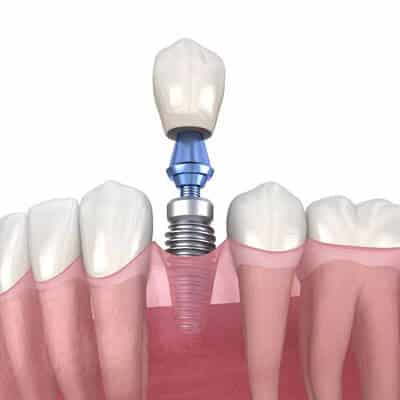
- Restoration: Most root canal-treated teeth need a dental crown afterward to restore full strength and function. Crowns And Bridges Yorkville are an important part of protecting your restored tooth long-term.
The entire appointment often takes about 60 to 90 minutes. Most patients return to normal activities the very next day.
How Root Canal Treatment Compares to Tooth Extraction
Some patients ask whether pulling the tooth is simpler than saving it. Extraction is faster in the short term. But losing a natural tooth creates a different set of long-term problems.
When a tooth is removed and not replaced, the surrounding bone begins to shrink. Neighboring teeth can shift into the gap over time. This affects your bite, your jaw alignment, and even your facial appearance.
Replacing an extracted tooth requires options like dental implants, dentures, or bridges. Each of these involves additional time and investment. Saving your natural tooth through a root canal is almost always the better first option when the tooth is still restorable.
Dr. Modjeski takes a conservative approach at Prairie Garden Dental. The goal is always to preserve your natural smile whenever it is clinically possible to do so.
Connecting Root Canal Care to Your Overall Smile Health
Treating an infected tooth is not just about eliminating pain. It is a critical part of protecting your overall oral health. Untreated infections affect your gums, your bone structure, and even your neighboring teeth.
Patients who complete root canal treatment and follow up with proper restorations often go on to enjoy their treated tooth for decades. That restored tooth can then support a healthier, more confident smile overall.
At Prairie Garden Dental, we offer comprehensive care beyond emergency treatment. If you are curious about improving your smile after your tooth has healed, explore our Cosmetic Dentistry Yorkville Il Yorkville options available through our practice.
Your comfort and long-term oral health are always the priority here. Dr. Modjeski and the Prairie Garden Dental team are committed to giving Yorkville patients clear answers and gentle, effective care. Book Now to schedule your appointment with our team.
Frequently Asked Questions
How do I know if my toothache is serious enough to need a root canal?
Persistent pain that does not go away, sensitivity that lingers long after heat or cold exposure, and swelling near a tooth are strong warning signs. If your pain is severe or has lasted more than a day or two, it is best to have Dr. Modjeski evaluate the tooth right away. Early diagnosis leads to better outcomes.
Is a root canal procedure painful?
Most patients are surprised by how comfortable root canal treatment actually is with modern techniques. Dr. Modjeski uses effective local anesthesia to ensure you feel little to no pain during the procedure. Any mild soreness afterward typically resolves within a few days with over-the-counter pain relievers.
What happens if I ignore tooth pain and do not get treatment?
Ignoring the signs of an infected tooth allows the bacteria to spread deeper into the jawbone and surrounding tissue. The infection can eventually become a dental abscess, which is a more serious and painful condition. In some cases, the tooth may become non-restorable and require extraction instead.
How long does a root canal take to heal?
Most patients feel back to normal within a few days after root canal treatment. The treated area may be mildly tender for a short time. Full healing of the surrounding bone and tissue can take a few weeks, but this process happens quietly without significant discomfort for most patients.
Do I need a crown after a root canal?
In most cases, yes. Root canal treatment removes the inner pulp, which can make the remaining tooth structure more brittle over time. A dental crown protects the tooth and restores its full biting strength. Dr. Modjeski will discuss whether a crown is the right next step for your specific situation.
Recent Posts
Nov. 23, 2026
Does Your Tooth Pain Mean You Need a Root Canal

Nov. 19, 2026
Why Delaying Your Tooth Extraction Costs You More Than You Think
Nov. 19, 2026
Porcelain vs. Composite Veneers: Which Actually Lasts Longer?

Nov. 19, 2026
Breaking the Bruxism Cycle: Why Your Grinding Worsens TMJ Pain

Nov. 19, 2026
Your Cosmetic Dental Work Will Only Last If You Do This
Catagories
- cosmetic dentist in Yorkville (0)
- Cosmetic Dentistry (5)
- Crooked Teeth (1)
- Crowns and bridges (1)
- Dental Health (24)
- Dental Implants (18)
- Dentist in Yorkville (4)
- Dentures (4)
- Digital X-Rays (1)
- Emergency Dentistry (4)
- Invisalign (7)
- Oral Care (8)
- Oral Surgery (1)
- Periodontal Therapy (3)
- Porcelain Veneers (6)
- Prairie Garden Dental (44)
- Root Canal Treatment (4)
- Sleep apnea (4)
- Sumner Dental Group (0)
- Teeth Whitening (7)
- tooth extraction (3)
- Uncategorized (6)
- Veneers (2)