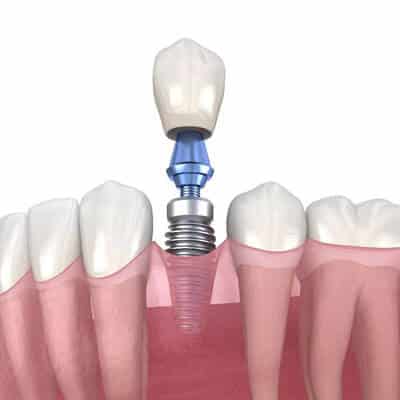

July 27, 2026
Dental Health
Getting a dental crown is a multi-step process. Between your first and final appointment, you’ll wear a temporary crown to protect your tooth. This temporary crown survival guide covers eating, cleaning, and emergency care in Yorkville so you feel confident every day of your wait. At Prairie Garden Dental, Dr. Reena Modjeski and her team want you to feel prepared and stress-free throughout your treatment.
Temporary crowns are made from acrylic or composite resin. They’re not as strong as your permanent crown will be. Knowing what to expect helps you avoid common problems and protects your smile during this in-between phase.
What Is a Temporary Crown and How Long Will You Wear It?
A temporary crown is a placeholder fitted over your prepared tooth. It shields the underlying structure while your permanent crown is custom-made in a dental lab. Most patients wear a temporary crown for one to three weeks, though complex cases can take a little longer.
Your dentist shapes the temporary crown right in the office. It’s held in place with a gentler, short-term cement. That design makes it easier to remove when your permanent crown is ready.
During this waiting period, the tooth underneath can feel sensitive. Some mild soreness along the gumline is completely normal. If pain becomes severe or lasts more than a few days, contact Prairie Garden Dental right away.
Eating With a Temporary Crown: What’s Safe and What to Avoid
Your diet is one of the most important factors during this phase. The right food choices protect your temporary crown and reduce discomfort. Here’s a simple breakdown of what works and what doesn’t.
Foods that are safe to eat:
- Soft cooked vegetables like carrots and squash
- Scrambled eggs, yogurt, and mashed potatoes
- Pasta, rice, and soft bread
- Bananas, berries, and other soft fruits
- Smoothies and protein shakes
Foods to avoid during your temporary crown phase:
- Sticky foods like caramel, taffy, and chewing gum
- Hard foods such as nuts, hard candy, and raw carrots
- Chewy meats like steak or beef jerky
- Crusty bread and hard pretzels
- Ice chewing — a common habit that can dislodge a crown
Try chewing on the opposite side of your mouth as much as possible. This simple habit reduces stress on the temporary crown. It also lowers your risk of accidentally popping it loose before your permanent crown is ready.
Temperature sensitivity is also common. Very hot or very cold foods and drinks may cause discomfort. Sticking to lukewarm foods and beverages can make mealtimes much more comfortable.
How to Clean Around Your Temporary Crown Without Dislodging It
Good oral hygiene is just as important during this phase as any other time. However, you do need to adjust your technique slightly. Cleaning the right way keeps the area healthy and protects the temporary cement holding your crown in place.
Brush gently twice a day using a soft-bristled toothbrush. Avoid scrubbing directly on the crown with heavy pressure. A gentle circular motion along the gumline is all you need.
Flossing requires a small but important modification. Do not snap the floss upward when removing it from between teeth. Instead, slide the floss out sideways to avoid pulling the temporary crown off. If traditional floss feels risky, a water flosser is an excellent alternative.
Avoid alcohol-based mouthwashes during this period. They can weaken the temporary cement over time. A fluoride rinse or plain water rinse is a safer choice.
Maintaining a clean mouth around your temporary crown also supports your Root Canal Therapy Yorkville Il recovery if your crown placement followed that procedure. Bacteria buildup around a poorly cleaned temporary crown can delay healing and cause unnecessary discomfort.
Emergency Care: What to Do If Your Temporary Crown Falls Off
A temporary crown falling off is one of the most common dental emergencies patients experience. It’s alarming, but it’s rarely dangerous if you act quickly. Here’s exactly what to do if it happens to you in Yorkville.
Step one: Retrieve the crown if possible and rinse it gently with warm water. Do not throw it away. Your dentist may be able to re-cement it temporarily.
Step two: Inspect the crown and the exposed tooth. The tooth may feel sensitive to air and temperature. That’s normal and expected.
Step three: Apply a small amount of dental cement or denture adhesive — available at most drugstores — to the inside of the crown. Carefully seat it back over your tooth. This is a short-term fix only.
Step four: Call Prairie Garden Dental as soon as possible. Never leave a tooth exposed for more than a day or two. The underlying structure needs protection to stay healthy.
If the crown breaks or cannot be reseated, cover the tooth with orthodontic wax or dental cement paste. Avoid eating on that side until you’ve seen Dr. Modjeski. Prompt care prevents further sensitivity, tooth shifting, or damage to the prepared tooth surface.
Connecting Temporary Crown Care to Your Broader Dental Health in Yorkville
Wearing a temporary crown is just one part of your overall dental journey. Many patients receiving crowns are also exploring other services to complete their smile. If your crown is part of a larger restoration plan, it’s a great time to ask about Cosmetic Dentistry Yorkville Il options that complement your treatment.
Services like teeth whitening, veneers, and Invisalign can be timed around your crown placement for the best overall results. Dr. Modjeski creates personalized treatment plans that consider all your goals together. Your temporary crown phase is a smart time to have that conversation.
Taking good care of your temporary crown also sets you up for success with your permanent one. Patients who follow care instructions tend to experience smoother appointments and faster recovery times. Every good habit you build now carries forward into your long-term oral health.
Conclusion: You’ve Got This — Prairie Garden Dental Is Here to Help
Wearing a temporary crown doesn’t have to be stressful. With the right food choices, a gentle cleaning routine, and a clear plan for emergencies, you can protect your smile and feel comfortable throughout the entire process. Dr. Reena Modjeski and the Prairie Garden Dental team in Yorkville, IL are always here to answer your questions and provide fast support when you need it. Book Now to schedule your appointment with our team.
Frequently Asked Questions
How long do temporary crowns usually last?
Most temporary crowns are designed to last between one and three weeks. This timeframe allows the dental lab enough time to fabricate your custom permanent crown. In some cases, the wait may be slightly longer depending on the complexity of your case. Always follow your dentist’s care instructions to help your temporary crown stay intact for the full duration.
Is it normal for a temporary crown to feel loose?
Temporary crowns are intentionally placed with a weaker cement so they can be easily removed at your follow-up appointment. Because of this, they may feel slightly less secure than a natural tooth. However, if your temporary crown feels noticeably loose or shifts when you bite, contact Prairie Garden Dental promptly. A loose crown can expose your tooth and lead to sensitivity or other complications.
Can I brush normally with a temporary crown?
Yes, you should continue brushing twice a day. Use a soft-bristled toothbrush and apply gentle pressure around the crown area. Avoid aggressive scrubbing directly on the temporary crown. Maintaining good hygiene prevents bacterial buildup that can cause gum irritation or infection during your waiting period.
What happens if my temporary crown falls off at night or on a weekend?
If your temporary crown falls off outside of office hours, try re-seating it using over-the-counter dental cement or denture adhesive. This is a short-term solution only. Contact Prairie Garden Dental first thing the next business day or leave a message through the practice’s after-hours line if available. Avoid eating on that side until your crown is properly re-cemented by a dental professional.
Will my permanent crown feel different from the temporary one?
Yes, your permanent crown will feel more natural and secure than your temporary one. It’s made from stronger materials like porcelain or zirconia and is cemented with a long-lasting dental adhesive. Most patients notice an immediate improvement in comfort, fit, and appearance once the permanent crown is placed. Any mild adjustment period is completely normal and typically resolves within a few days.
Recent Posts
Oct. 19, 2026
Full vs Partial vs Implant Dentures: Which Fits Your Smile Best
Oct. 12, 2026
Root Canal Myths That Keep Patients Unnecessarily Anxious

Sep. 28, 2026
Emergency Dental Care Costs Less Now Than Waiting Will Later

Sep. 21, 2026
Your Cosmetic Dental Work Will Only Last If You Do This

Sep. 14, 2026
Breaking the Bruxism Cycle: Why Your Grinding Worsens TMJ Pain
Catagories
- cosmetic dentist in Yorkville (0)
- Cosmetic Dentistry (5)
- Crooked Teeth (1)
- Crowns and bridges (1)
- Dental Health (18)
- Dental Implants (18)
- Dentist in Yorkville (4)
- Dentures (4)
- Digital X-Rays (1)
- Emergency Dentistry (4)
- Invisalign (7)
- Oral Care (8)
- Oral Surgery (1)
- Periodontal Therapy (3)
- Porcelain Veneers (6)
- Prairie Garden Dental (44)
- Root Canal Treatment (4)
- Sleep apnea (4)
- Sumner Dental Group (0)
- Teeth Whitening (7)
- tooth extraction (3)
- Uncategorized (6)
- Veneers (2)