October 14, 2024
Dental Implants
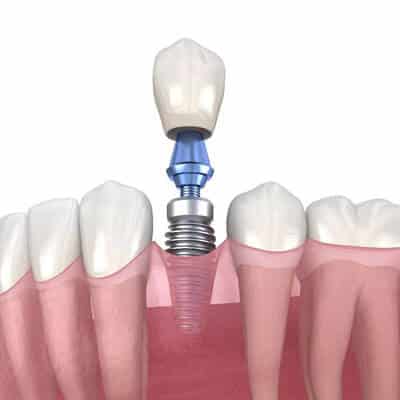
One of the most successful methods for restoring lost teeth is implant therapy. Whether you’ve lost a tooth due to decay, injury, or gum disease, dental implants can restore both the functionality and appearance of your smile.
However, not everyone is a good fit for this procedure. To determine whether dental implants are right for you, it’s essential to understand the key factors that influence candidacy.
In this blog, we’ll explore the main considerations for dental implant eligibility, so you can make an informed decision about your oral health.
Factors That Determine Dental Implant Candidacy
Not everyone is a candidate for dental implants right away. Several factors need to be assessed by your dentist or oral surgeon to determine whether you are suitable for the procedure. Here are the key elements to consider:
1. Sufficient Jawbone Density
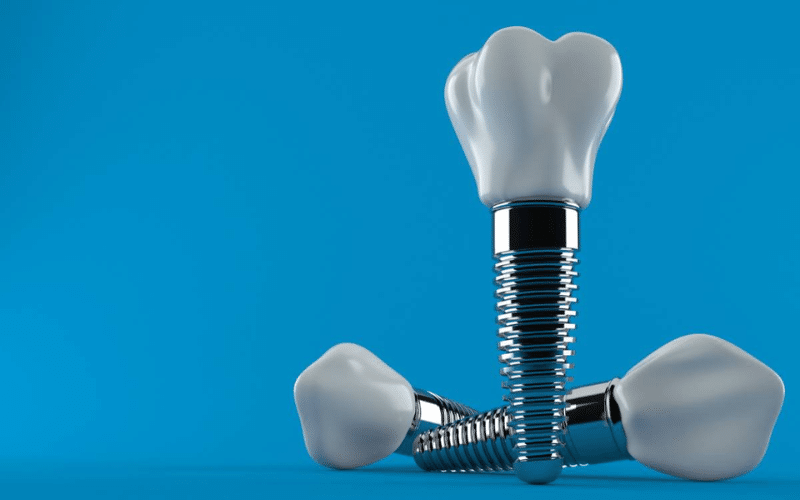
A strong, healthy jawbone is crucial for supporting dental implants. During the implant procedure, the titanium post is placed directly into the bone, and over time, it fuses with the jawbone. Without sufficient bone density, the implant may not properly integrate, leading to failure.
How Jawbone Density Is Assessed:
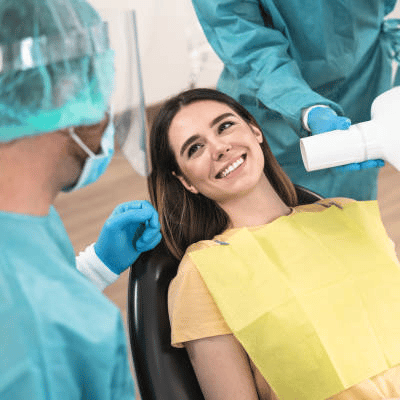
- X-rays or CT scans are typically used to determine the amount of bone available.
- If you have gone through bone loss due to tooth loss, gum disease, or aging, you may need a bone graft to build up the jawbone before implant placement.
2. Healthy Gums
Healthy gums are essential for the success of dental implants. Gum disease (periodontitis) can affect the stability of the implant and lead to infection or implant failure. Before considering implants, any existing gum disease must be treated and resolved.
Key Considerations for Gum Health:
- No active infections should be present in the gums.
- Regular oral hygiene habits, including brushing and flossing, are necessary to maintain gum health post-implant.
3. Overall Oral Health
In addition to gum health, your overall oral health plays a significant role in dental implant success. Teeth grinding (bruxism), untreated tooth decay, or other dental issues could impact the longevity of your implant.
Steps To Ensure Oral Health:
- Any existing cavities or oral infections should be treated before implant surgery.
- If you suffer from teeth grinding, a custom mouthguard may be recommended to protect your implant from damage.
4. Adequate Healing Capability
Healing is a critical part of the dental implant process. Since it’s a surgical procedure, your body’s ability to heal and recover will directly influence the success of the implant. Conditions that impair healing, such as uncontrolled diabetes, can affect whether you are a suitable candidate.
Conditions That May Impact Healing:
- Diabetes, particularly if poorly controlled, can slow healing and increase the risk of infection.
- Autoimmune diseases and certain medications (like immunosuppressants or steroids) can interfere with your body’s natural healing process.
5. Non-Smoking Status
Smoking is one of the most significant risk factors for dental implant failure. Nicotine restricts blood flow to the gums, which can delay healing and increase the risk of infection. Additionally, smoking can inhibit osseointegration—the process by which the implant fuses with the bone—making it more likely for the implant to fail.
Why Smoking Impacts Implant Success:
- Slower healing times and increased risk of infection.
- Compromised bone integration, which is crucial for implant stability.
Tip: If you’re a smoker considering dental implants, quitting or reducing your smoking habits can improve your chances of success.
6. Age and Developmental Factors
While dental implants are suitable for many adults, they are generally not recommended for children or teenagers whose jawbones are still developing. A fully developed jaw is essential to ensure that the implant remains stable as the bone grows.
Age Considerations for Implants:
- Teenagers may need to wait until their late teens or early 20s when their jaw growth has completed.
- Elderly adults with good overall health and sufficient bone density can still benefit from implants.
7. Commitment to Long-Term Oral Care
Dental implants require a long-term commitment to good oral hygiene and regular dental checkups. Failing to care for your implants can lead to complications such as peri-implantitis, an infection around the implant site, which can ultimately cause implant failure.
Maintenance Tips for Dental Implants:
- Brushing twice a day with a soft-bristle toothbrush.
- Flossing daily, especially around the implant.
- Regular dental visits for professional cleanings and checkups.
Special Considerations: Medical Conditions and Medications
Certain medical conditions and medications can influence your eligibility for dental implants. For example, patients with uncontrolled chronic conditions, such as cardiovascular disease, osteoporosis, or cancer, may face higher risks during implant surgery.
Additionally, medications like blood thinners or bisphosphonates (used to treat osteoporosis) can complicate the healing process or increase the risk of complications.
Conditions To Discuss with Your Dentist:
- Heart disease or stroke history: Special precautions may be necessary.
- Osteoporosis medications: May impact bone health and healing capacity.
- Radiation therapy: Patients who have undergone radiation therapy in the head or neck region may have compromised bone health.
Dental implants can be life-changing, offering a permanent and natural-looking solution for missing teeth. However, they are not suitable for everyone. A successful outcome depends on various factors, including your jawbone density, gum health, overall medical condition, and commitment to maintaining oral hygiene.
If you’re considering dental implants, it’s essential to consult with a qualified dentist or oral surgeon who can thoroughly assess your situation and guide you through the decision-making process. By understanding these key factors, you can make an informed choice and determine whether dental implants are the right solution to restore your smile and confidence.
Recent Posts
Jul. 06, 2026
Root Canal Recovery in Yorkville, IL | Prairie Garden Dental

Jun. 29, 2026
Dental Crown Care Tips in Yorkville, IL | Prairie Garden Dental
Jun. 22, 2026
Periodontal Treatment Recovery Guide | Prairie Garden Dental
Jun. 15, 2026
Dentures vs. Implants in Yorkville, IL | Prairie Garden Dental
Jun. 08, 2026
Root Canal vs. Extraction in Yorkville, IL | Prairie Garden Dental
Catagories
- cosmetic dentist in Yorkville (0)
- Cosmetic Dentistry (5)
- Crooked Teeth (1)
- Crowns and bridges (1)
- Dental Health (5)
- Dental Implants (18)
- Dentist in Yorkville (4)
- Dentures (4)
- Digital X-Rays (1)
- Emergency Dentistry (4)
- Invisalign (7)
- Oral Care (8)
- Oral Surgery (1)
- Periodontal Therapy (3)
- Porcelain Veneers (6)
- Prairie Garden Dental (44)
- Root Canal Treatment (4)
- Sleep apnea (4)
- Sumner Dental Group (0)
- Teeth Whitening (7)
- tooth extraction (3)
- Uncategorized (6)
- Veneers (2)