
December 26, 2022
Dental Implants
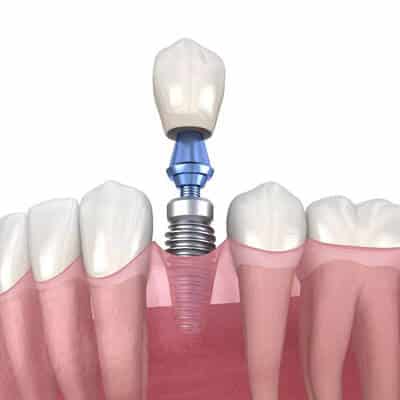
Dental implants are designed to replace missing teeth by securely attaching artificial replacements directly to your jawbone. The dental implant process is typically done in two stages: placement restoration. Dental implants are surgically inserted into the jawbone during the placement stage under local anesthesia. After the implant has bonded with the jawbone in an osseointegration process, a dental post is attached for connecting dental prosthetics such as crowns and bridges. This restoration stage can be completed within two weeks to four months, depending on the complexity of each case. If you’ve been considering dental implants to replace missing teeth, you may have questions about how much they cost. The truth is that the cost of dental implants can vary greatly depending on various factors. Let’s explore the estimated cost of dental implants and the factors that affect them.
The Cost Of Dental Implants Vary Widely
The average cost for a single implant ranges from $3,000-$5,000. It can be even higher depending on the type of implant being used. Most insurance plans do not cover the cost of dental implants, but some may help with part of the bill. Additionally, many dentists will offer payment plans or discounts if you pay in full at the time of service.
Factors Affecting Implant Costs
Type Of Implant
Different types of implants cost different amounts. The actual price of a single implant can range anywhere from $500 to $3,000, depending on the implant used. For example, titanium implants tend to be more expensive than ceramic ones. Also, mini dental implants are typically less costly than traditional implants due to their smaller size and shorter procedure time.
Location
The location where you get your implant can also affect the price. Prices tend to be higher in urban areas where dentists compete for more patients. However, rural areas may have lower costs due to less competition and fewer resources available for dental care.
Number Of Implants
As with other medical procedures, multiple implants will typically cost more than one or two due to the additional time involved in placing each one individually.
Additional Procedures
Depending on your situation, additional procedures such as bone grafts or sinus lifts may be necessary before getting an implant. These other procedures will add extra costs that should be considered when planning your treatment plan budget-wise.
Placement Surgery
Placement surgery is necessary to install the implant into your jawbone. This surgery typically costs between $1,000-$3,000 per tooth, depending on its complexity.
Restoration
After placement surgery, you may need additional restoration work to achieve your smile. This could include getting a crown or a bridge placed over your implant(s). The cost for this restoration work can range from $500-$3,000 per tooth as tooth Removal. Suppose you have existing teeth that need to be removed before placing an implant. In that case, this procedure will also add to the overall cost of getting dental implants. On average, tooth removal costs around $200-$400 per tooth.
The Bottom Line
Dental implants are a great way to restore missing teeth and improve oral health and appearance—but they come with a hefty price tag! Before deciding whether or not this type of procedure is right for you, make sure you understand all aspects of its cost, including insurance coverage options. With these factors taken into account, you’ll have a better idea of what financial commitment is required to make an informed decision about whether or not this type of treatment is right for you!
FAQs
Q: How long does it take for dental implant recovery?
A: Generally, dental implant procedures have a typical healing period that lasts up to 6 months before the dental implant is fully integrated with the jaw bone. During this time, patients should take special care when brushing and flossing near the dental implant so that no irritation occurs and there are no risks of infection.
Q: How painful is getting a dental implant?
A: Getting dental implants is routine, but it still has some uncomfortable and painful moments. Some people may experience pain that rises above a 3 on a scale from 0-10. After the dental implant is inserted, patients generally feel less pain during recovery as inflammation starts to decrease over a few days.
Recent Posts

Feb. 02, 2026
Can Dr. Modjeski Help Me Get a Date-Ready Smile in Just One Visit?

Dec. 03, 2025
Fixing Chipped or Gapped Teeth: Can Porcelain Veneers Solve Multiple Smile Problems at Once?
Nov. 03, 2025
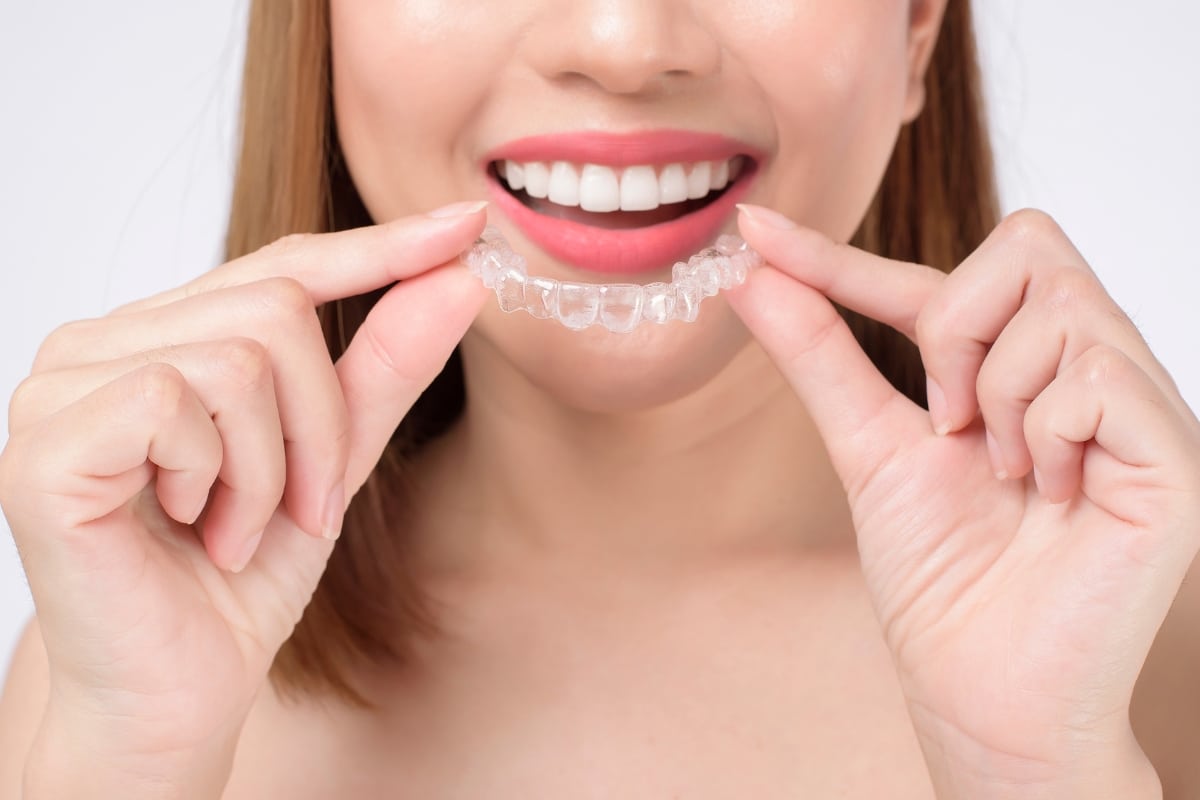
Fixing a Crossbite: Functional and Aesthetic Correction with Invisalign in Yorkville, IL

Oct. 03, 2025
The Clock is Ticking: 5 Essential Steps to Take Before You “Lose-It” on Your Dental Insurance Benefits
Sep. 05, 2025
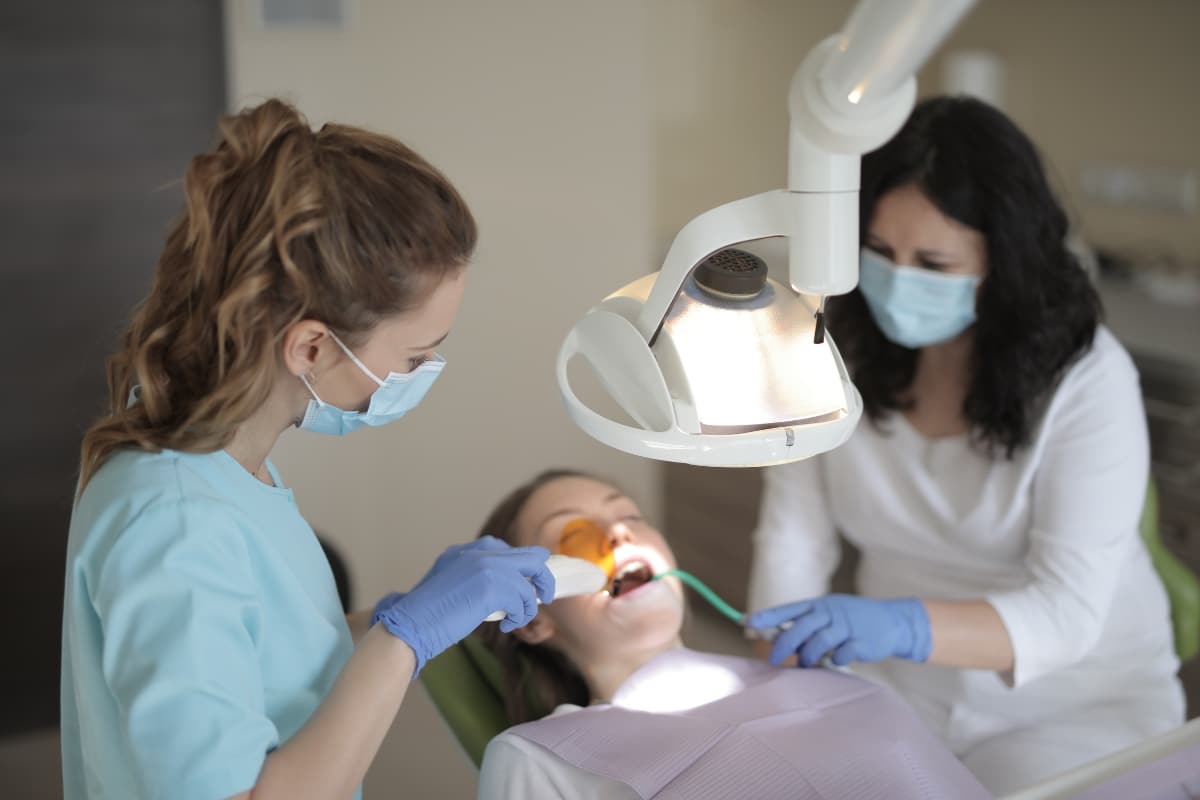
The Longevity of Dental Implants: A Long-Term Solution for Yorkville Residents
Catagories
- cosmetic dentist in Yorkville (0)
- Cosmetic Dentistry (5)
- Crooked Teeth (1)
- Crowns and bridges (1)
- Dental Implants (18)
- Dentist in Yorkville (4)
- Dentures (4)
- Digital X-Rays (1)
- Emergency Dentistry (4)
- Invisalign (7)
- Oral Care (8)
- Oral Surgery (1)
- Periodontal Therapy (3)
- Porcelain Veneers (6)
- Prairie Garden Dental (44)
- Root Canal Treatment (4)
- Sleep apnea (4)
- Sumner Dental Group (0)
- Teeth Whitening (7)
- tooth extraction (3)
- Uncategorized (6)
- Veneers (2)