
June 24, 2024
Porcelain Veneers
Do chipped, cracked, discolored, or misaligned teeth leave you feeling self-conscious about your smile? You’re not alone. Millions of people worldwide struggle with dental imperfections that can affect not only their appearance but also their confidence. Fortunately, modern dentistry offers a fantastic solution: porcelain veneers.
This blog delves into the world of porcelain veneers, exploring how they can transform your smile from chipped to chic. We’ll discuss the benefits of veneers, the procedure involved, aftercare tips, and answer frequently asked questions to empower you to make informed decisions about your oral health and smile goals.
The Power of a Smile: Unveiling the Impact of Dental Imperfections
Our smiles are powerful tools. They can convey happiness, confidence, and warmth. However, dental imperfections can significantly impact how we feel about ourselves and how we project ourselves to the world. Here’s how chipped, cracked, or discolored teeth can affect us:
- Reduced Confidence: Feeling self-conscious about your smile can lead to hiding it in social situations. This can hinder communication, social interactions, and even career opportunities.
- Self-Esteem Issues: Dental imperfections can contribute to a negative self-image and feelings of insecurity.
- Difficulty Chewing: Chipped or cracked teeth can make chewing uncomfortable, impacting your ability to enjoy certain foods.
Porcelain Veneers: Unveiling a Flawless Smile Solution
Porcelain veneers offer a transformative solution for a variety of dental imperfections. These thin, custom-made shells are bonded to the front surface of your teeth, creating a natural-looking and durable cosmetic enhancement.
Here are some of the imperfections porcelain veneers can address:
- Chips and Cracks: Veneers can effectively cover up chipped or cracked teeth, restoring a smooth and flawless appearance.
- Discoloration: Stubborn stains or discoloration caused by medications, aging, or lifestyle habits can be masked by veneers, achieving a brighter and whiter smile.
- Uneven Teeth: Minor misalignments or gaps between teeth can be corrected with veneers, creating a more symmetrical and uniform smile.
- Worn Teeth: Porcelain veneers can restore the shape and size of teeth worn down due to grinding or aging.
Beyond Aesthetics: Unveiling the Functional Benefits of Veneers
While porcelain veneers primarily offer a cosmetic improvement, they can also have some functional benefits:
- Improved Bite: In some cases, veneers can be used to address minor bite issues, enhancing chewing function.
- Enhanced Speech: Severely chipped or cracked teeth can affect speech clarity. Veneers can restore a smooth surface, improving speech articulation.
- Increased Confidence: The confidence boost associated with a beautiful smile can positively impact your overall well-being and quality of life.
The Porcelain Veneer Procedure: A Step-by-Step Guide
The porcelain veneer procedure typically involves several stages:
- Consultation: Your dentist will conduct a thorough examination of your teeth and gums to determine if you’re a good candidate for veneers. They will discuss your cosmetic goals, assess your oral health, and explain the procedure in detail.
- Preparation: During this step, your dentist will slightly remove a small layer of enamel from the front surface of your teeth. This creates space for the veneer to be bonded without appearing bulky. An impression of your teeth will be taken to create a custom mold for the veneers.
- Temporary Veneers: While your permanent veneers are being crafted, temporary veneers might be placed on your teeth to protect them and maintain your smile’s appearance.
- Veneer Placement: Once your permanent veneers are ready, your dentist will carefully bond them to the prepared tooth surfaces. They will check the fit, color, and shape to ensure optimal aesthetics and function.
Veneer Aftercare: Maintaining Your Chic Smile
Following the veneer procedure, proper aftercare is essential for their longevity and beauty:
- Oral Hygiene: Maintain excellent oral hygiene by brushing twice daily and flossing regularly. This removes plaque and bacteria that can cause gum disease and affect the lifespan of your veneers.
- Dietary Habits: Avoid excessively hard or sticky foods that can damage your veneers.
- Regular Dental Checkups: Schedule regular dental checkups and cleanings with your dentist to monitor the health of your teeth and veneers.
Recent Posts
Feb. 02, 2026
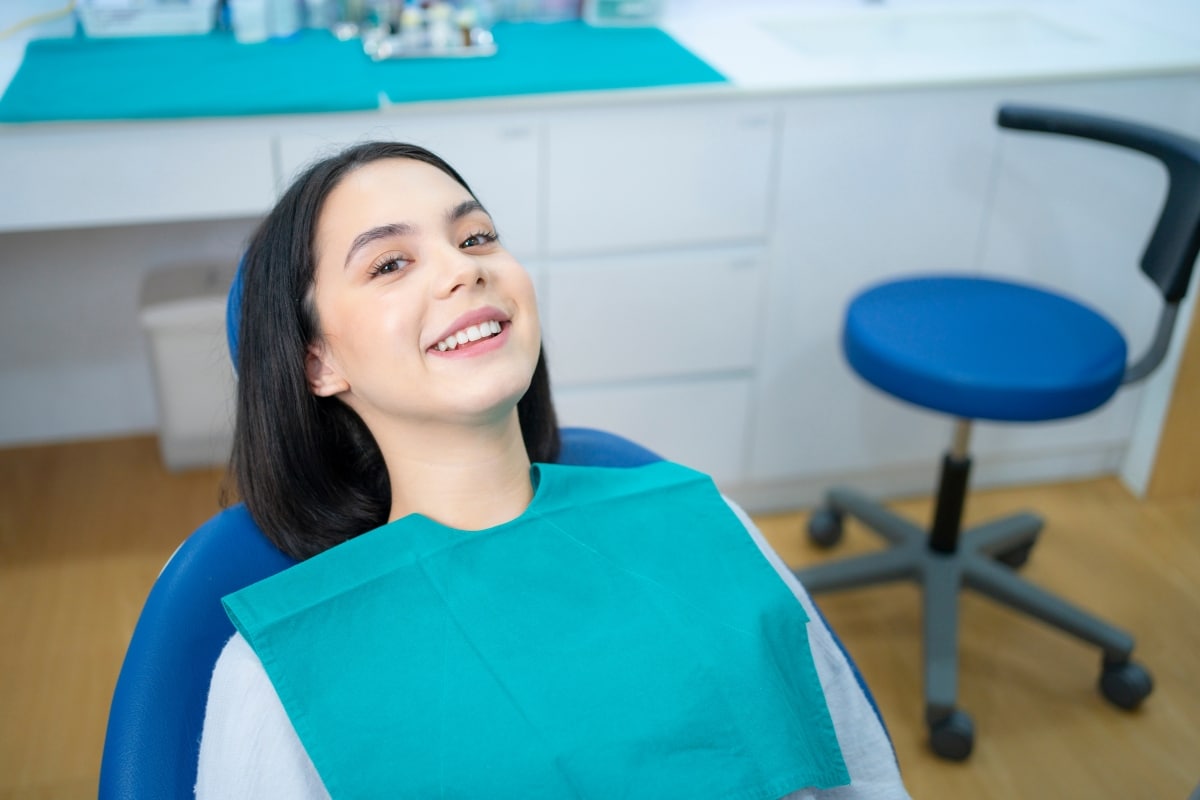
Can Dr. Modjeski Help Me Get a Date-Ready Smile in Just One Visit?
Dec. 03, 2025
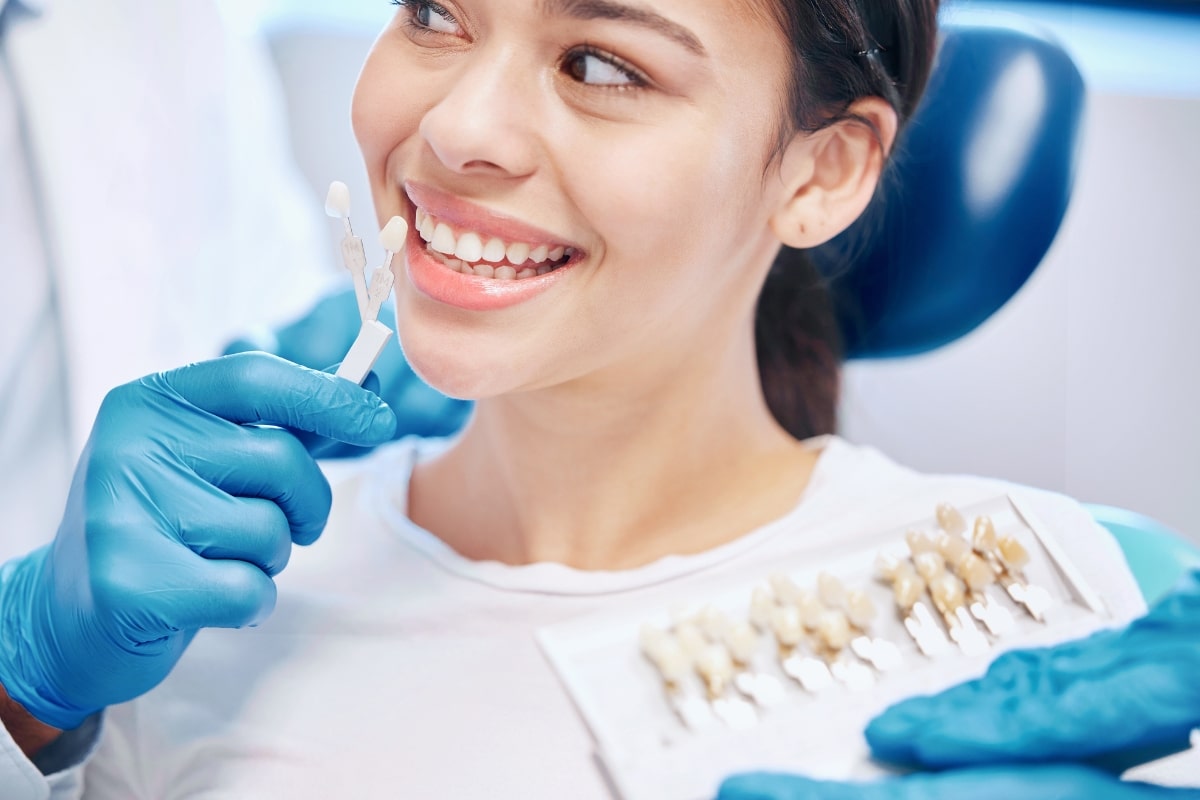
Fixing Chipped or Gapped Teeth: Can Porcelain Veneers Solve Multiple Smile Problems at Once?
Nov. 03, 2025
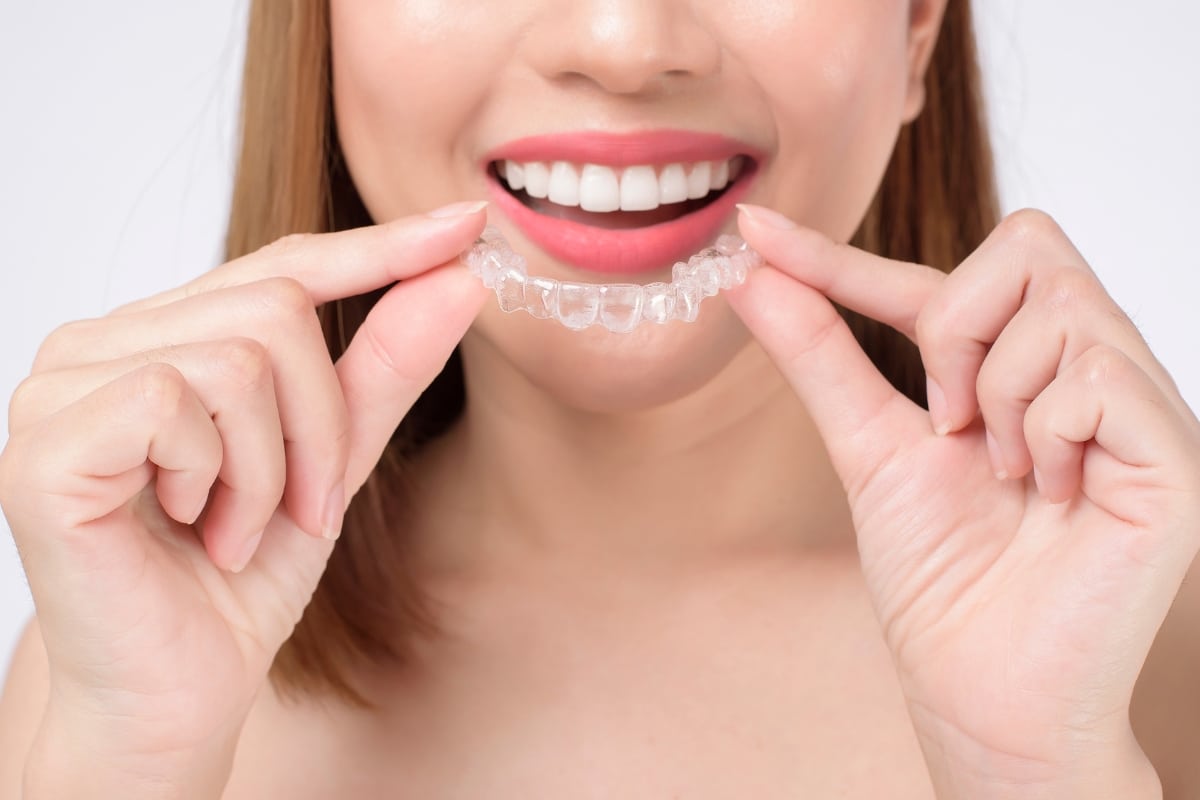
Fixing a Crossbite: Functional and Aesthetic Correction with Invisalign in Yorkville, IL

Oct. 03, 2025
The Clock is Ticking: 5 Essential Steps to Take Before You “Lose-It” on Your Dental Insurance Benefits
Sep. 05, 2025
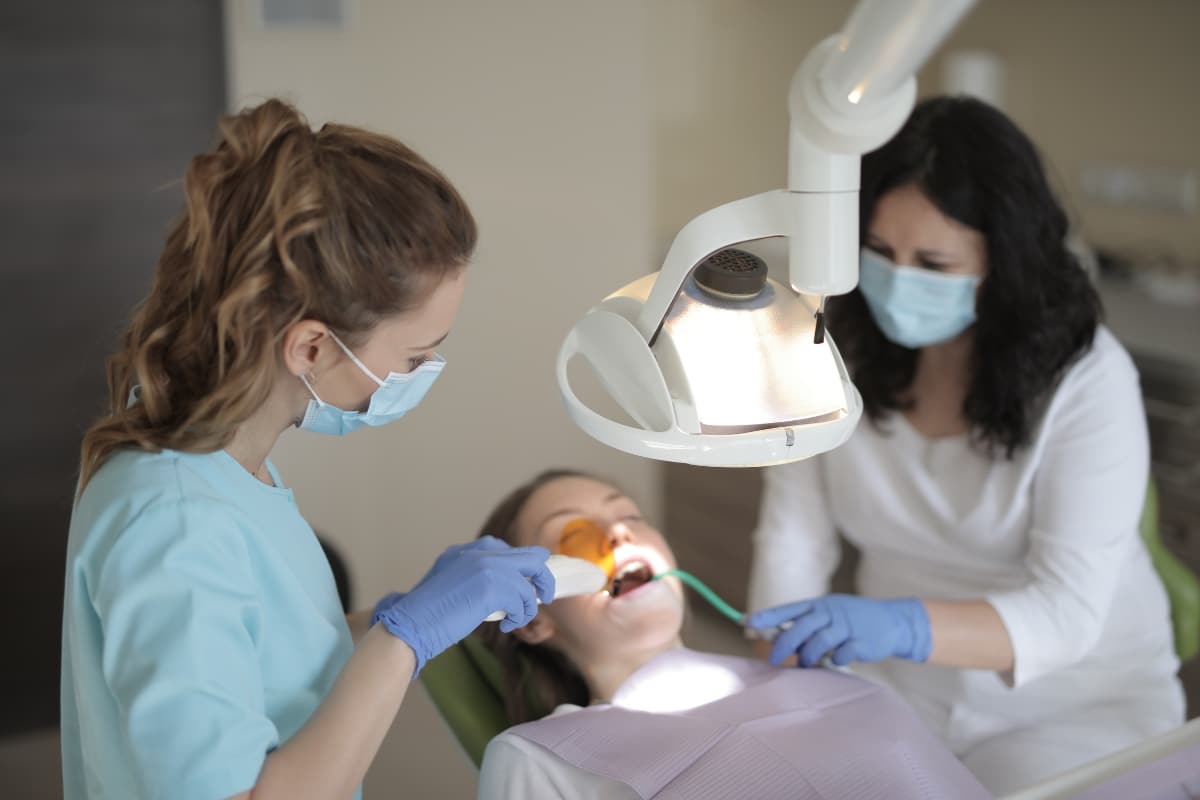
The Longevity of Dental Implants: A Long-Term Solution for Yorkville Residents
Catagories
- cosmetic dentist in Yorkville (0)
- Cosmetic Dentistry (5)
- Crooked Teeth (1)
- Crowns and bridges (1)
- Dental Implants (18)
- Dentist in Yorkville (4)
- Dentures (4)
- Digital X-Rays (1)
- Emergency Dentistry (4)
- Invisalign (7)
- Oral Care (8)
- Oral Surgery (1)
- Periodontal Therapy (3)
- Porcelain Veneers (6)
- Prairie Garden Dental (44)
- Root Canal Treatment (4)
- Sleep apnea (4)
- Sumner Dental Group (0)
- Teeth Whitening (7)
- tooth extraction (3)
- Uncategorized (6)
- Veneers (2)