
September 18, 2024
Cosmetic Dentistry
These advanced imaging systems ensure higher accuracy, better patient safety, and enhanced treatment outcomes. In this blog, we’ll explore how digital X-rays contribute to more precise results in cosmetic dentistry.
What Are Digital X-Rays?
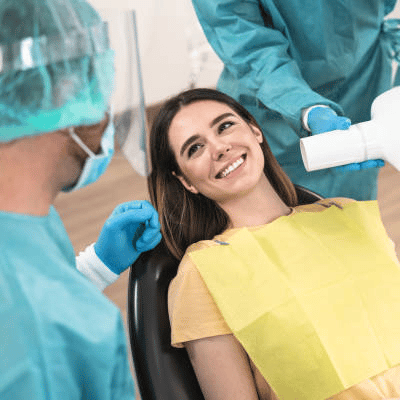
Digital X-rays are a modern diagnostic tool used in dental care. Unlike traditional X-rays, which use film, digital X-rays capture images electronically. These images are instantly available on a computer screen and offer a higher resolution, enabling dentists to view your teeth and gums in greater detail.
Benefits of Digital X-Rays:
- Instant image availability for faster diagnostics.
- Higher resolution for detailed analysis.
- Reduced radiation exposure by up to 90%.
- Eco-friendly as there’s no need for film or chemicals.
In cosmetic dentistry, precision is key, and digital X-rays play a crucial role in ensuring optimal results.
The Role of Digital X-Rays in Cosmetic Dentistry
Digital X-rays are indispensable in cosmetic dentistry procedures. Whether you’re getting veneers, crowns, or teeth whitening, these advanced images provide essential data that allows for more accurate diagnosis and treatment planning.
Here’s how digital X-rays enhance cosmetic dentistry procedures:
- Accurate Diagnosis
- Dentists need a complete understanding of a patient’s dental structure before proceeding with cosmetic procedures. Digital X-rays offer a comprehensive view of not just the teeth but also the underlying bone and tissue structures. This accuracy ensures the right procedures are recommended.
- Dentists need a complete understanding of a patient’s dental structure before proceeding with cosmetic procedures. Digital X-rays offer a comprehensive view of not just the teeth but also the underlying bone and tissue structures. This accuracy ensures the right procedures are recommended.
- Customized Treatment Plans
- Each patient’s dental structure is unique, which means cosmetic procedures must be tailored to individual needs. Digital X-rays help in creating a personalized treatment plan by offering detailed insights into the teeth, jawbone, and root positioning. This ensures that treatments such as crowns, veneers, and aligners fit perfectly and last longer.
- Each patient’s dental structure is unique, which means cosmetic procedures must be tailored to individual needs. Digital X-rays help in creating a personalized treatment plan by offering detailed insights into the teeth, jawbone, and root positioning. This ensures that treatments such as crowns, veneers, and aligners fit perfectly and last longer.
- Detecting Hidden Issues
- In some cases, underlying dental problems like cavities, fractures, or infections may not be visible to the naked eye. Digital X-rays can reveal these hidden issues, allowing dentists to address them before cosmetic procedures begin. This proactive approach prevents future complications and ensures long-lasting results.
Digital X-Rays and Different Cosmetic Dentistry Procedures
Digital X-rays are helpful in various cosmetic dentistry procedures, helping to refine the treatment and improve outcomes.
1. Teeth Whitening
Digital X-rays can provide a detailed look at the health of your teeth before a whitening procedure. This is crucial to identify if there are any underlying issues, like cavities or infections, that could be aggravated by the whitening agents. With digital imaging, the dentist can ensure the teeth are healthy enough for the treatment, ensuring safe and effective results.
2. Veneers and Crowns
For procedures like veneers and crowns, digital X-rays are essential in ensuring the new restoration fits perfectly. They allow dentists to view the tooth structure, surrounding gums, and jawbone in great detail. This ensures that veneers or crowns are designed to match the exact contours of your teeth, resulting in a more natural look and fit.
3. Invisalign
Digital X-rays are essential in planning Invisalign treatment, offering a detailed view of teeth, roots, and bone structure. This allows dentists to create a precise, personalized treatment plan and track tooth movement throughout the process. They also help identify potential issues, such as misaligned roots or bone deficiencies, ensuring aligners are custom-made for optimal results and fewer complications.
Advantages of Digital X-Rays Over Traditional X-Rays
When it comes to cosmetic dentistry, the precision offered by digital X-rays outshines traditional X-ray technology in several ways:
- Higher Image Quality
- The clarity and detail of digital X-rays allow dentists to make more accurate assessments of dental structures, leading to better treatment outcomes.
- The clarity and detail of digital X-rays allow dentists to make more accurate assessments of dental structures, leading to better treatment outcomes.
- Faster Results
- Digital X-rays are available instantly, reducing the time spent waiting for films to develop. This speeds up diagnosis and allows treatment to begin sooner.
- Digital X-rays are available instantly, reducing the time spent waiting for films to develop. This speeds up diagnosis and allows treatment to begin sooner.
- Less Radiation
- One of the key benefits is the reduced radiation exposure compared to traditional X-rays. Patients experience up to 90% less radiation, making it a safer option for regular use.
- One of the key benefits is the reduced radiation exposure compared to traditional X-rays. Patients experience up to 90% less radiation, making it a safer option for regular use.
- Enhanced Storage and Sharing
- Digital X-rays are stored electronically, allowing for easier access, sharing between specialists, and long-term storage without degradation of image quality.
Patient Safety and Comfort with Digital X-Rays
While precision is a significant benefit, patient safety and comfort are equally important. Digital X-rays offer a more comfortable experience compared to traditional X-rays:
- Reduced Radiation Exposure
- As mentioned earlier, digital X-rays expose patients to much less radiation. This is particularly beneficial for patients who need multiple X-rays during a comprehensive cosmetic dental treatment plan.
- Quicker Process
- The digital process is quicker and less cumbersome than traditional methods, minimizing patient discomfort during imaging.
- Eco-Friendly
- By eliminating the need for film and chemical processing, digital X-rays contribute to more eco-friendly dental practices.
How Digital X-Rays Improve Long-Term Results?
Another significant advantage of digital X-rays is their ability to track changes over time. Dentists can compare current images with previous ones, allowing them to monitor progress and make adjustments as needed. For example:
- Monitoring Tooth Movement
- In orthodontic treatments, digital X-rays help track the movement of teeth, ensuring they are moving according to plan. This precision leads to better long-term alignment.
- In orthodontic treatments, digital X-rays help track the movement of teeth, ensuring they are moving according to plan. This precision leads to better long-term alignment.
- Checking Implant Integration
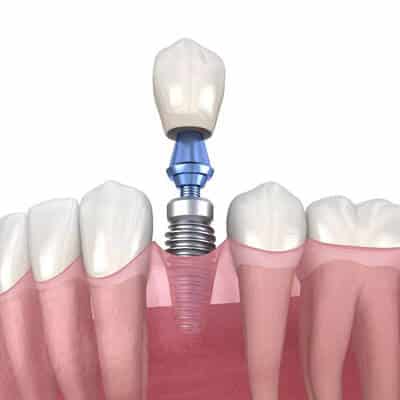
- After dental implant surgery, digital X-rays help confirm the successful integration of the implant into the bone. This ensures that the implant remains stable and durable for years to come.
Digital X-rays have transformed the field of cosmetic dentistry by ensuring precise, safe, and effective results. Whether you’re undergoing teeth whitening, veneers, or invisalign, digital X-rays provide the detailed information your dentist needs to create a personalized treatment plan.
The benefits of reduced radiation, instant imaging, and higher resolution make digital X-rays a superior choice for both patients and dentists alike. For the best cosmetic dental outcomes, digital X-rays are an indispensable tool that guarantees precision and enhances patient safety, paving the way for a perfect smile.
Recent Posts

Feb. 02, 2026
Can Dr. Modjeski Help Me Get a Date-Ready Smile in Just One Visit?

Dec. 03, 2025
Fixing Chipped or Gapped Teeth: Can Porcelain Veneers Solve Multiple Smile Problems at Once?
Nov. 03, 2025
Fixing a Crossbite: Functional and Aesthetic Correction with Invisalign in Yorkville, IL

Oct. 03, 2025
The Clock is Ticking: 5 Essential Steps to Take Before You “Lose-It” on Your Dental Insurance Benefits
Sep. 05, 2025
The Longevity of Dental Implants: A Long-Term Solution for Yorkville Residents
Catagories
- cosmetic dentist in Yorkville (0)
- Cosmetic Dentistry (5)
- Crooked Teeth (1)
- Crowns and bridges (1)
- Dental Implants (18)
- Dentist in Yorkville (4)
- Dentures (4)
- Digital X-Rays (1)
- Emergency Dentistry (4)
- Invisalign (7)
- Oral Care (8)
- Oral Surgery (1)
- Periodontal Therapy (3)
- Porcelain Veneers (6)
- Prairie Garden Dental (44)
- Root Canal Treatment (4)
- Sleep apnea (4)
- Sumner Dental Group (0)
- Teeth Whitening (7)
- tooth extraction (3)
- Uncategorized (6)
- Veneers (2)