November 4, 2024
Root Canal Treatment
Tooth pain can range from mild sensitivity to severe, persistent aches that disrupt your daily life. One of the most common causes of intense dental pain is an infected tooth nerve. Left untreated, this infection can lead to more serious dental issues and even spread beyond the affected tooth. Fortunately, root canal treatment serves as an effective therapy for saving infected teeth and relieving pain.
In this guide, we’ll walk you through how this therapy works, what to expect, and how it can help restore your oral health.
What Causes Tooth Nerve Infections?
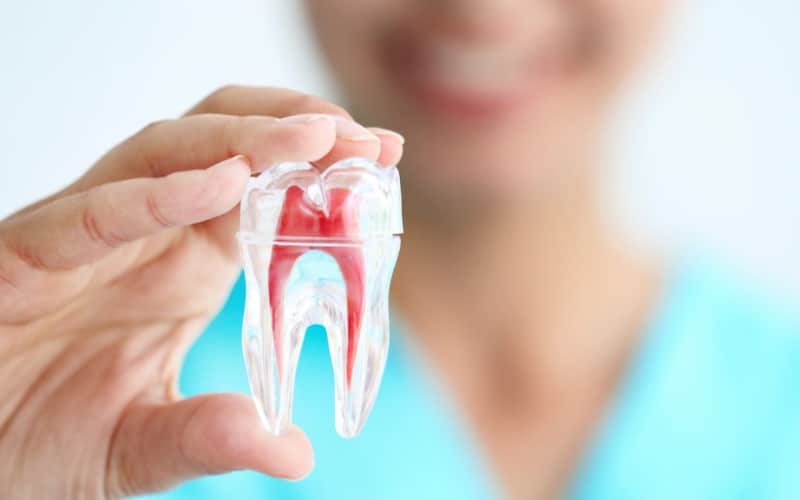
Tooth nerve infections, also known as pulpitis, typically result from bacteria entering the inner pulp of the tooth. The pulp, which contains nerves, blood vessels, and connective tissues, is essential during tooth development. However, once a tooth is fully developed, it can survive without the pulp.
Common Causes of Tooth Nerve Infections Include:
- Tooth Decay: Cavities or dental caries can create openings in the enamel, allowing bacteria to penetrate and reach the pulp.
- Cracks or Fractures: Even small cracks can expose the tooth’s inner layers, leading to infection.
- Repeated Dental Procedures: Multiple dental procedures on a single tooth can irritate or damage the pulp.
- Gum Disease: Severe gum disease can cause gum recession, allowing bacteria to reach and infect the tooth root.
When the pulp becomes infected, it can lead to an abscessed tooth, which is a painful condition that may require immediate dental treatment.
Signs and Symptoms of an Infected Tooth Nerve
How can you tell if a tooth infection has affected the nerve? Some signs and symptoms are more noticeable than others.
Key Symptoms of a Nerve Infection Include:
- Persistent, throbbing tooth pain.
- Sensitivity to hot or cold temperatures that lingers after exposure.
- Pain when chewing or biting.
- Swollen or tender gums near the affected tooth.
- Darkening of the tooth.
- Swelling in the face, neck, or jaw.
- Bad taste or odor from the affected tooth.
If you’re experiencing any of these symptoms, especially ongoing pain, it’s important to consult a dentist as soon as possible. An untreated nerve infection can lead to more serious complications.
How Root Canal Therapy Treats Infected Tooth Nerves?
Root canal therapy is a procedure designed to save a tooth with an infected or damaged nerve. By removing the infected pulp, disinfecting the inner canal, and sealing the tooth, root canal therapy allows you to keep your natural tooth while eliminating pain and infection.
The Step-By-Step Root Canal Process
- Anesthesia: The dentist administers local anesthesia to numb the area around the affected tooth, ensuring a pain-free experience during the procedure.
- Accessing the Pulp Chamber: A small opening is made in the crown of the tooth to access the infected pulp.
- Removing the Infected Pulp: Specialized instruments are used to carefully remove the infected or damaged pulp from the root canals.
- Cleaning and Shaping the Canals: The empty canals are cleaned, disinfected, and shaped to prepare them for filling.
- Filling the Canals: After cleaning, the canals are filled with a biocompatible material called gutta-percha to seal the space and prevent future infection.
- Sealing the Tooth: A temporary or permanent filling is placed to seal the opening. If needed, a dental crown may be recommended to provide additional protection and restore the tooth’s strength.
What To Expect After The Treatment?
Most patients experience mild discomfort after a root canal treatment, which can be managed with over-the-counter pain relievers. It’s also common for the treated area to feel sensitive for a few days due to inflammation.
Post-Treatment Care Tips:
- Avoid chewing on the treated tooth until it’s fully restored with a crown if recommended.
- Maintain good oral hygiene with regular brushing, flossing, and dental check-ups.
- Contact our dentist if you feel severe pain or swelling, as it could indicate complications.
Potential Benefits of Taking This Therapy
Root canal therapy offers numerous advantages over-extraction or living with chronic tooth pain. Here are some of the key benefits:
- Relieves Pain and Discomfort: By removing the infected pulp, root canal therapy effectively eliminates the source of pain.
- Prevents Further Infection: The procedure removes bacteria and seals the tooth to prevent reinfection.
- Saves the Natural Tooth: Unlike extraction, root canal treatment allows you to keep your natural tooth, which helps maintain your bite and jawbone structure.
- Minimizes Need for Future Dental Work: A successfully treated tooth with a root canal can last for years, potentially saving you from more extensive procedures.
Preventing Tooth Nerve Infections In The Near Future
Although root canal therapy is an effective solution for infected tooth nerves, prevention is always preferable. To reduce your risk of tooth infections, maintain good oral hygiene and take steps to protect your teeth.
Prevention Tips
- Brush twice a day and floss daily to remove food particles and plaque.
- Visit our dentist regularly for check-ups and cleanings.
- Avoid using your teeth as tools to open packages, which can cause cracks.
- Wear a mouthguard during sports to prevent dental injuries.
- Address tooth decay, gum disease, or other oral issues promptly to prevent infection.
Root canal therapy is a valuable procedure for saving infected teeth, relieving pain, and restoring oral health. By removing infected pulp, cleaning and sealing the root canals, and preserving your natural tooth, root canal therapy allows you to live pain-free without sacrificing your smile.
If you suspect you have an infected tooth nerve, schedule an appointment with our dentist to discuss whether root canal therapy is right for you. With early intervention and proper care, you can protect your teeth and enjoy lasting oral health.
Recent Posts

Feb. 02, 2026
Can Dr. Modjeski Help Me Get a Date-Ready Smile in Just One Visit?

Dec. 03, 2025
Fixing Chipped or Gapped Teeth: Can Porcelain Veneers Solve Multiple Smile Problems at Once?

Nov. 03, 2025
Fixing a Crossbite: Functional and Aesthetic Correction with Invisalign in Yorkville, IL

Oct. 03, 2025
The Clock is Ticking: 5 Essential Steps to Take Before You “Lose-It” on Your Dental Insurance Benefits

Sep. 05, 2025
The Longevity of Dental Implants: A Long-Term Solution for Yorkville Residents
Catagories
- cosmetic dentist in Yorkville (0)
- Cosmetic Dentistry (5)
- Crooked Teeth (1)
- Crowns and bridges (1)
- Dental Implants (18)
- Dentist in Yorkville (4)
- Dentures (4)
- Digital X-Rays (1)
- Emergency Dentistry (4)
- Invisalign (7)
- Oral Care (8)
- Oral Surgery (1)
- Periodontal Therapy (3)
- Porcelain Veneers (6)
- Prairie Garden Dental (44)
- Root Canal Treatment (4)
- Sleep apnea (4)
- Sumner Dental Group (0)
- Teeth Whitening (7)
- tooth extraction (3)
- Uncategorized (6)
- Veneers (2)