August 6, 2024
Dental Implants
Dental implants are a well-liked and practical method of restoring lost teeth, known for their durability and natural appearance. However, like any medical device, implants can sometimes encounter issues.
A loose dental implant can be particularly concerning, and it’s essential to understand whether this situation constitutes an emergency, its potential causes, and the appropriate steps to take if you find yourself facing this issue.
Today’s blog will provide a comprehensive overview of these aspects, including consulting with an emergency dentist to manage and address the issue effectively.
Understand Dental Implants
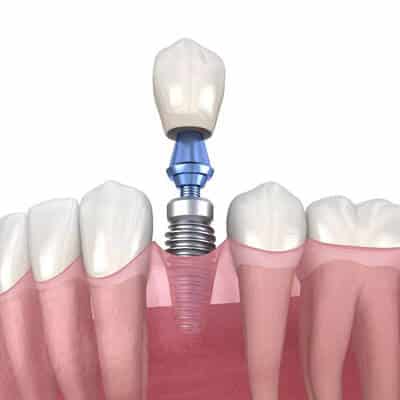
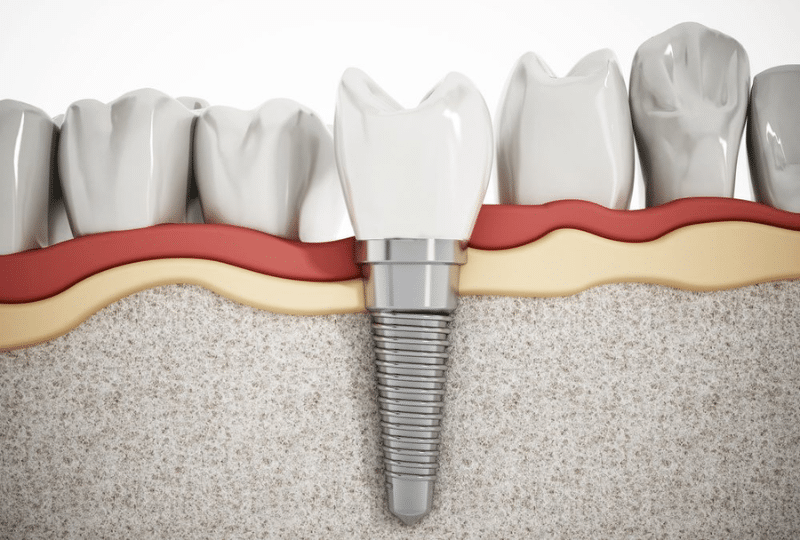
Dental implants consist of three main components:
- Implant Fixture: A titanium post that is surgically embedded into the jawbone.
- Abutment: The implant fixture is topped with a connection, which supports the crown.
- Crown: The artificial tooth that is attached to the abutment, completing the restoration.
The implant fixture integrates with the jawbone in a process called osseointegration, which allows it to function like a natural tooth root.
Reasons for a Missing Dental Implant
A loose dental implant can be caused by a number of things. Determining these factors is essential to understanding the urgency of an emergency dentist and appropriate response:
- Poor Osseointegration: If the implant does not properly fuse with the jawbone, it may become unstable.
- Infection: Peri-implantitis, an infection around the implant, can lead to bone loss and implant looseness.
- Mechanical Failure: Issues with the implant components, such as a broken abutment or crown, can cause instability.
- Bone Loss: Insufficient bone density or bone resorption over time can compromise the implant’s stability.
- Excessive Force: Habits like teeth grinding or clenching can place undue stress on the implant, leading to loosening.
- Improper Placement: If the implant was not correctly positioned during surgery, it may not integrate properly and could become loose.
Is a Loose Dental Implant an Emergency?
Whether a loose dental implant constitutes an emergency depends on several factors. Here’s how to determine the urgency of the situation:
- Severity of Looseness: If the implant is noticeably loose and moving, it is more urgent than a minor issue that only causes slight discomfort.
- Presence of Pain or Swelling: Accompanying symptoms such as pain, swelling, or bleeding indicate a more serious problem that needs immediate attention.
- Signs of Infection: Redness, pus, or a bad taste in the mouth can signal an infection, It has to be treated right away in order to stop more difficulties.
- Functional Impairment: If the loose implant affects your ability to eat or speak properly, it should be addressed quickly to avoid further issues.
Immediate Steps To Take
If you suspect your dental implant is loose, follow these steps to manage the situation:
- Contact Your Dentist or Oral Surgeon: Schedule an appointment as soon as possible with your dental professional. They can assess the implant’s condition and determine the appropriate course of action.
- Avoid Putting Pressure on the Implant: Minimize the use of the affected area for chewing and avoid any hard or sticky foods that could exacerbate the problem.
- Maintain Good Oral Hygiene: Continue to brush and floss your teeth regularly, but be gentle around the implant area to avoid causing additional harm or irritation.
- Monitor Symptoms: Keep track of any changes in the symptoms, including more pain, edema, or discharge, and inform your dentist during your visit.
Diagnosis & Treatment
Your oral surgeon or dentist will do a comprehensive examination when you see them to ascertain the source of the looseness and the appropriate treatment:
- X-Rays and Imaging: These may be used to evaluate the implant’s integration with the bone and identify any underlying issues.
- Physical Examination: The dentist will assess the stability of the implant, check for signs of infection, and evaluate the surrounding gum tissue.
Based on the diagnosis, potential treatments may include:
- Adjusting or Replacing Components: If the problem is due to a loose abutment or crown, it may be adjusted or replaced.
- Treating Infection: Antibiotics or other treatments may be prescribed to address infections like peri-implantitis.
- Surgical Intervention: Depending on the circumstances, surgery may be required to correct implant placement issues or address bone loss.
- Bone Grafting: If bone loss is significant, a bone transplant to replace the stability of the implant.
Preventive Measures
To reduce the risk of experiencing a loose dental implant, consider the following preventive measures:
- Regular Dental Check-Ups: Schedule regular visits for your dentist to keep an eye on the health of your implant and ensure it remains in good health.
- Maintaining good oral hygiene is important to stave against diseases and other complications.
- Avoid Bad Habits: Refrain from grinding your teeth or clenching your jaw, and use a night guard if needed.
- Healthy Lifestyle: Eat a balanced diet and avoid smoking, as these factors can impact bone health and implant success.
A loose dental implant can be a concerning issue, but understanding whether it constitutes an emergency and knowing how to respond can help you manage the situation effectively. If you notice any signs of looseness, pain, or infection, it is important to seek prompt attention from an emergency dentist.
By taking immediate action and following preventive measures, you can help ensure the long-term success and stability of your dental implant. For more personalized care and guidance, contact a qualified dental professional to address any concerns about your dental implant and ensure your oral health remains in top condition.
Recent Posts

Feb. 02, 2026
Can Dr. Modjeski Help Me Get a Date-Ready Smile in Just One Visit?

Dec. 03, 2025
Fixing Chipped or Gapped Teeth: Can Porcelain Veneers Solve Multiple Smile Problems at Once?
Nov. 03, 2025
Fixing a Crossbite: Functional and Aesthetic Correction with Invisalign in Yorkville, IL

Oct. 03, 2025
The Clock is Ticking: 5 Essential Steps to Take Before You “Lose-It” on Your Dental Insurance Benefits
Sep. 05, 2025
The Longevity of Dental Implants: A Long-Term Solution for Yorkville Residents
Catagories
- cosmetic dentist in Yorkville (0)
- Cosmetic Dentistry (5)
- Crooked Teeth (1)
- Crowns and bridges (1)
- Dental Implants (18)
- Dentist in Yorkville (4)
- Dentures (4)
- Digital X-Rays (1)
- Emergency Dentistry (4)
- Invisalign (7)
- Oral Care (8)
- Oral Surgery (1)
- Periodontal Therapy (3)
- Porcelain Veneers (6)
- Prairie Garden Dental (44)
- Root Canal Treatment (4)
- Sleep apnea (4)
- Sumner Dental Group (0)
- Teeth Whitening (7)
- tooth extraction (3)
- Uncategorized (6)
- Veneers (2)