July 13, 2026
Dental Health
If your dentures once fit perfectly but now slip, click, or cause sore spots, you are not imagining things. Many patients in Yorkville, IL ask the same question: why your dentures feel loose and what happens to bone over time matters more than most people realize. The answer lies beneath the gums, in the jawbone itself. Understanding bone resorption can help you make smarter decisions about your oral health.
What Is Bone Resorption and Why Does It Happen?
When a natural tooth is removed, the jawbone loses its primary job. Teeth roots stimulate the bone every time you chew or bite. Without that stimulation, the body begins to reabsorb the bone tissue. This process is called bone resorption.
Resorption begins almost immediately after extraction. In the first year alone, patients can lose up to 25% of bone width in the extraction site. Over several years, that loss compounds significantly. The ridge of bone that once supported your teeth gradually flattens and shrinks.
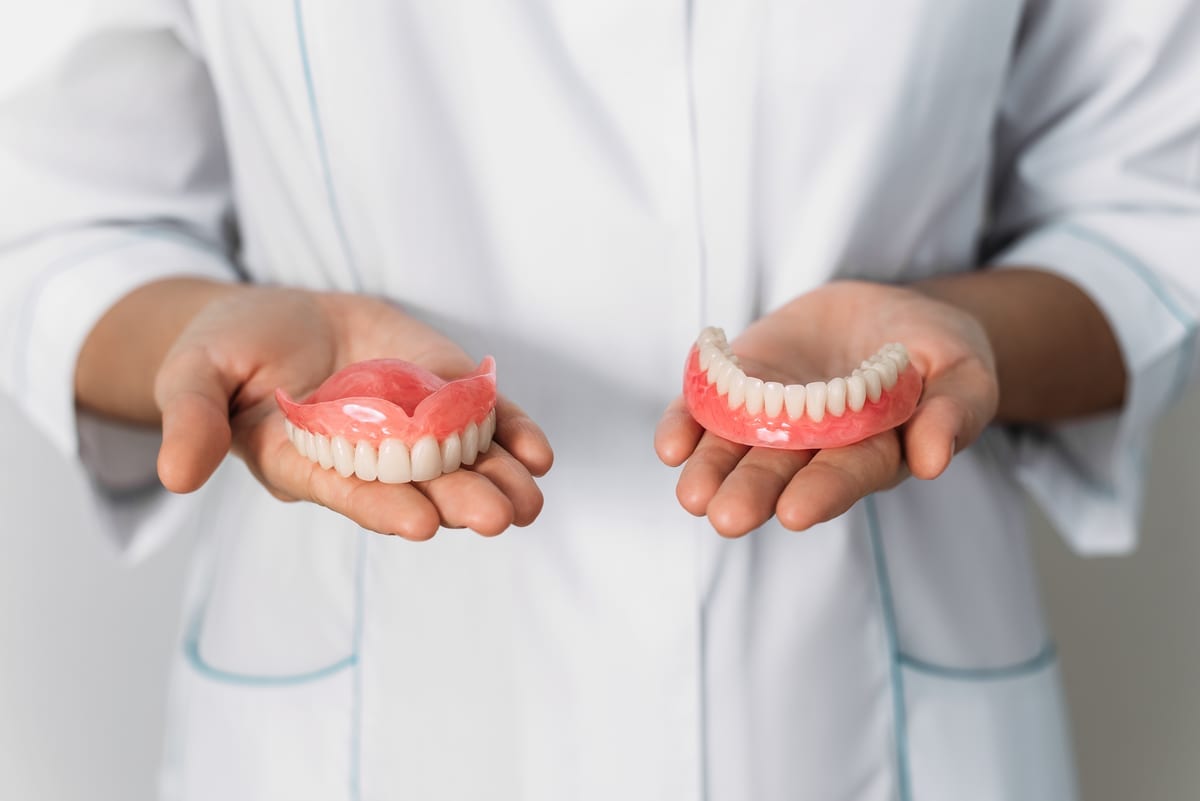
Dentures rest on top of this bony ridge. As the ridge changes shape, the denture no longer fits the same surface it was made for. That is the root cause of loose dentures over time. It is a biological process, not a manufacturing defect.
Why Your Dentures Feel Loose: What Bone Loss Looks Like Over Time in Yorkville
Bone loss from missing teeth is gradual but cumulative. Most patients notice changes within two to five years of wearing full or partial dentures. Some experience shifting sooner, especially if they lost teeth at a younger age.
Common signs that bone resorption is affecting your denture fit include:
- Dentures that slip when speaking or chewing
- Clicking sounds during meals or conversation
- Sore spots or irritation along the gum line
- Needing more denture adhesive than before
- Visible gaps between the denture and your gums
- Changes in your facial appearance, such as sunken cheeks
These symptoms tend to worsen over time without intervention. Ignoring them can lead to difficulty eating nutritious foods. It can also affect your confidence and speech. Patients in Yorkville should not wait until the fit becomes unbearable.
Your Options When Dentures No Longer Fit Properly
The good news is that loose dentures are manageable. Dr. Reena Modjeski at Prairie Garden Dental in Yorkville evaluates each patient’s situation individually. There are three main paths forward, depending on how much the fit has changed.
Denture Relining
Relining adds new material to the inside surface of your existing denture. This reshapes the fitting surface to match your current gum contour. It is the least invasive option and works well when bone loss is moderate. Relining can restore comfort and stability without replacing the entire appliance.
Denture Rebasing
Rebasing replaces the entire acrylic base of the denture while keeping the existing teeth. It is a more thorough update than relining. Rebasing is appropriate when the base material has deteriorated significantly. The process takes longer but can extend the life of your denture meaningfully.
Full Denture Replacement
Sometimes the bone ridge has changed so dramatically that a new denture is the best solution. Replacement dentures are fabricated to fit your current anatomy. Modern materials and techniques produce a much more precise and comfortable fit. Many patients find a new denture dramatically improves their quality of life.
Patients who are concerned about long-term bone loss may also wish to explore Cosmetic Dentistry Yorkville Il options. Some solutions address both function and aesthetics together, giving you a complete approach to oral health restoration.
Can Dental Implants Help Prevent Bone Loss?
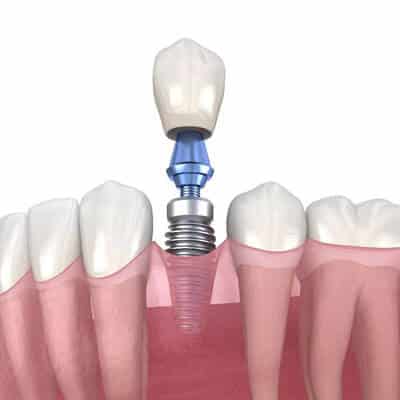
Dental implants are the only tooth replacement option that actively preserves jawbone. Implants are titanium posts placed directly into the bone. They mimic the function of natural tooth roots by stimulating the bone with every bite. This stimulation signals the body to maintain bone density in that area.
Patients who wear dentures supported by implants experience far less bone loss over time. Implant-supported dentures also offer superior stability compared to traditional removable dentures. They eliminate the need for adhesives and reduce slipping and soreness.
Benefits of implant-supported dentures include:
- Significantly reduced bone resorption over time
- Stronger bite force for eating a wider variety of foods
- No denture adhesive required
- Improved facial structure preservation
- Greater confidence when speaking and smiling
- Long-term cost efficiency compared to repeated relining or replacement
Not every patient is a candidate for implants immediately. Some may require bone grafting first to rebuild lost tissue. Dr. Modjeski can assess whether implants are a viable path during a comprehensive exam. Patients may also want to learn about Root Canal Therapy Yorkville Il if they are trying to preserve remaining natural teeth before considering tooth replacement options.
When Should Yorkville Patients Schedule a Denture Check?
Many patients assume dentures require no professional follow-up once fitted. This is a common misconception. Annual denture evaluations are just as important as regular dental checkups. Your bone structure continues to change throughout life, and your denture should be assessed accordingly.
Schedule an appointment with Dr. Modjeski if you notice any of the following:
- Your denture rocks or shifts with minimal movement
- You experience new sore spots or ulcers under the denture
- You have not had a denture evaluation in more than two years
- Your facial shape appears to be changing around your jaw or cheeks
- You are using increasing amounts of adhesive to keep your denture in place
Early intervention usually means simpler, less costly treatment. Addressing a fit issue at the relining stage is much easier than waiting until full replacement is necessary. Prairie Garden Dental in Yorkville is here to help you stay ahead of these changes.
Conclusion: Take Action Before Fit Becomes a Problem
Bone resorption is a natural and unavoidable consequence of tooth loss. It is the primary reason why dentures that once felt secure gradually become uncomfortable and unstable. Understanding this process empowers you to take action at the right time. Whether relining, rebasing, or exploring implant options, there are excellent solutions available at Prairie Garden Dental. Dr. Reena Modjeski and our team in Yorkville are dedicated to helping every patient maintain comfort, function, and confidence. Book Now to schedule your appointment with our team.
Frequently Asked Questions
How quickly does bone loss occur after tooth extraction?
Bone resorption begins almost immediately after a tooth is removed. You can lose up to 25% of bone width in the first year. The process slows over time but continues throughout your life. This is why denture fit changes gradually over months and years.
How often should I have my dentures checked or relined?
Most dental professionals recommend an evaluation every one to two years. Relining is often needed every two to five years depending on how much bone loss has occurred. If you notice slipping or soreness before that interval, schedule an appointment sooner. Early adjustments prevent larger problems down the road.
Can I fix loose dentures with more adhesive?
Denture adhesive can provide temporary relief when fit is slightly off. However, it is not a long-term solution to bone resorption. Using excessive adhesive may mask symptoms while the underlying fit issue worsens. It is better to address the root cause with a professional evaluation.
Are implant-supported dentures right for everyone?
Implant-supported dentures are an excellent option for many patients, but not all candidates qualify immediately. Adequate bone density is required to place implants successfully. Some patients need a bone graft procedure first to rebuild lost tissue. Dr. Modjeski can evaluate your bone health and discuss whether implants are a good fit for your situation.
Will my facial appearance change if I have bone loss from dentures?
Yes, significant bone loss can alter the shape of your lower face over time. Patients may notice sunken cheeks, a shortened chin, or an aged appearance around the mouth. Implant-supported dentures can help preserve facial structure by maintaining bone volume. Addressing bone loss early through proper denture care and professional evaluations helps minimize these changes.
Recent Posts
Oct. 12, 2026
Root Canal Myths That Keep Patients Unnecessarily Anxious

Sep. 28, 2026
Emergency Dental Care Costs Less Now Than Waiting Will Later

Sep. 21, 2026
Your Cosmetic Dental Work Will Only Last If You Do This

Sep. 14, 2026
Breaking the Bruxism Cycle: Why Your Grinding Worsens TMJ Pain

Sep. 07, 2026
Why Delaying Your Tooth Extraction Costs You More Than You Think
Catagories
- cosmetic dentist in Yorkville (0)
- Cosmetic Dentistry (5)
- Crooked Teeth (1)
- Crowns and bridges (1)
- Dental Health (17)
- Dental Implants (18)
- Dentist in Yorkville (4)
- Dentures (4)
- Digital X-Rays (1)
- Emergency Dentistry (4)
- Invisalign (7)
- Oral Care (8)
- Oral Surgery (1)
- Periodontal Therapy (3)
- Porcelain Veneers (6)
- Prairie Garden Dental (44)
- Root Canal Treatment (4)
- Sleep apnea (4)
- Sumner Dental Group (0)
- Teeth Whitening (7)
- tooth extraction (3)
- Uncategorized (6)
- Veneers (2)