
June 24, 2024
Dental Implants
A missing tooth can be a source of frustration. It can affect your smile, confidence, and even your ability to chew comfortably. Fortunately, advancements in dental technology offer a natural-looking and long-lasting solution: dental implants.
This comprehensive guide dives deep into the world of single-tooth dental implants. We’ll explore the benefits of implants, the procedure involved, aftercare tips, and answer frequently asked questions to empower you to make informed decisions about your oral health.
Why Choose Dental Implants for a Single Missing Tooth?
Gone are the days of bulky dentures or unstable bridges. Dental implants offer a multitude of benefits that make them a superior choice for replacing a single missing tooth:
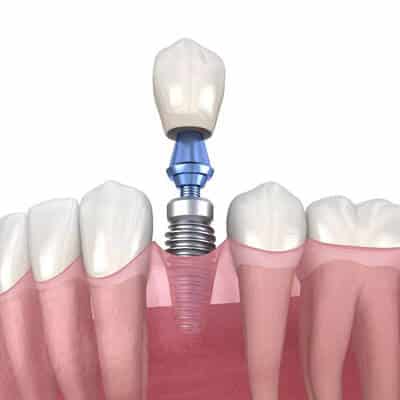
- Natural Look and Feel: Dental implants are designed to mimic the structure of a natural tooth. They consist of a titanium implant surgically placed in the jawbone and a custom-made crown that sits on top. The implant fuses with the jawbone over time, providing a stable foundation for the crown. This not only looks natural but also feels natural, allowing you to bite, chew, and speak with confidence.
- Preserves Jawbone Health: When a tooth is lost, the jawbone beneath it begins to deteriorate. Traditional bridges rely on neighboring teeth for support, which can weaken them over time. Dental implants, however, stimulate the jawbone, preventing bone loss and maintaining a healthy facial structure.
- Improved Oral Health: Dental implants don’t require altering adjacent teeth like bridges do. This helps maintain the health of your surrounding teeth and reduces the risk of future problems.
- Durability and Longevity: Dental implants are incredibly strong and durable. With proper care, they can last a lifetime, eliminating the need for replacements as often as with dentures or bridges.
- Increased Confidence: Replacing a missing tooth can significantly boost your confidence. A complete smile allows you to smile freely, speak clearly, and participate in social interactions without self-consciousness.
The Dental Implant Procedure: A Step-by-Step Guide
The dental implant procedure for a single missing tooth typically involves several stages:
- Consultation and Planning: Your dentist will perform a thorough examination of your mouth, including X-rays and CT scans, to assess your jawbone health and determine if you’re a good candidate for an implant. A treatment plan will be customized based on your specific needs.
- Implant Placement: The implant surgery itself is typically performed under local anesthesia. A small incision is made in the gum tissue, and a tiny hole is drilled in the jawbone to create space for the implant. The implant is then inserted into the jawbone and secured.
- Healing and Osseointegration: Over the next few months, the implant will fuse with the jawbone through a process called osseointegration. This creates a strong and stable foundation for the new tooth. During this healing time, a temporary restoration might be placed to maintain the appearance of your smile.
- Abutment Placement: Once the implant has fully integrated with the jawbone, a second minor surgery might be necessary to place an abutment. This is a small connector piece that attaches to the implant and serves as the base for the crown.
- Crown Placement: Finally, your dentist will create a custom-made crown that perfectly matches the size, shape, and color of your surrounding teeth. The crown is securely attached to the abutment, completing the dental implant restoration.
The Road to Recovery: Aftercare Tips for Dental Implants
Following your dental implant surgery, proper aftercare is crucial for optimal healing and long-term success. Here are some essential tips:
- Pain Management: You may experience some mild discomfort or swelling following surgery. Your dentist will prescribe pain medication if needed.
- Oral Hygiene: Maintaining good oral hygiene is essential after implant surgery. Brush and floss your teeth gently around the implant site, following your dentist’s specific instructions.
- Dietary Restrictions: For a few days following surgery, stick to soft foods that are easy to chew. Gradually transition back to your regular diet as your mouth heals.
- Avoid Smoking: Smoking can hinder the healing process and increase the risk of implant failure.
- Follow-up Appointments: Attend all scheduled follow-up appointments with your dentist to monitor the healing process and ensure the implant is functioning properly.
Recent Posts

Feb. 02, 2026
Can Dr. Modjeski Help Me Get a Date-Ready Smile in Just One Visit?

Dec. 03, 2025
Fixing Chipped or Gapped Teeth: Can Porcelain Veneers Solve Multiple Smile Problems at Once?
Nov. 03, 2025
Fixing a Crossbite: Functional and Aesthetic Correction with Invisalign in Yorkville, IL

Oct. 03, 2025
The Clock is Ticking: 5 Essential Steps to Take Before You “Lose-It” on Your Dental Insurance Benefits
Sep. 05, 2025
The Longevity of Dental Implants: A Long-Term Solution for Yorkville Residents
Catagories
- cosmetic dentist in Yorkville (0)
- Cosmetic Dentistry (5)
- Crooked Teeth (1)
- Crowns and bridges (1)
- Dental Implants (18)
- Dentist in Yorkville (4)
- Dentures (4)
- Digital X-Rays (1)
- Emergency Dentistry (4)
- Invisalign (7)
- Oral Care (8)
- Oral Surgery (1)
- Periodontal Therapy (3)
- Porcelain Veneers (6)
- Prairie Garden Dental (44)
- Root Canal Treatment (4)
- Sleep apnea (4)
- Sumner Dental Group (0)
- Teeth Whitening (7)
- tooth extraction (3)
- Uncategorized (6)
- Veneers (2)