
April 25, 2024
tooth extraction
Tooth extraction is a common dental procedure that can be intimidating for many individuals. Whether you’re facing extraction due to decay, damage, or overcrowding, understanding the process and knowing what to expect can alleviate some of the anxiety. In this comprehensive guide, we’ll delve into everything you need to know about tooth extraction, from reasons for extraction to aftercare tips and alternatives.
Reasons For Tooth Extraction
There are several reasons why a tooth may need to be extracted. The most common reasons include severe decay, irreparable damage from trauma, overcrowding, and impacted wisdom teeth. Additionally, teeth may need to be extracted in preparation for orthodontic treatment or to prevent infection from spreading to neighboring teeth and gums.
Types Of Tooth Extractions
There are two main types of tooth extractions: simple extractions and surgical extractions. Simple extractions are performed on teeth that are visible in the mouth and can usually be completed using local anesthesia. Surgical extractions, on the other hand, are more complex and involve teeth that may be broken, impacted, or located beneath the gum line. These may require sedation or general anesthesia.
The Extraction Process
During a tooth extraction your dentist will first numb the area around the tooth using local anesthesia. For surgical extractions or more complex cases, sedation or general anesthesia may be administered. The dentist will then carefully loosen the tooth from its socket using specialized tools before gently removing it. After extraction, the area will be cleaned, and gauze will be placed to control bleeding.
Aftercare Tips
- Proper aftercare is essential for promoting healing and preventing complications after tooth extraction. Here are some practical tips to follow:
- Take prescribed pain medication as directed to manage discomfort.
- Apply ice packs to the outside of your face to reduce swelling.
- Avoid drinking through a straw or smoking, as these activities can dislodge the blood clot and delay healing.
- Stick to soft foods and avoid chewing on the extraction site.
- Follow your dentist’s instructions for oral hygiene, including gentle brushing and rinsing with saltwater.
Alternatives To Tooth Extraction
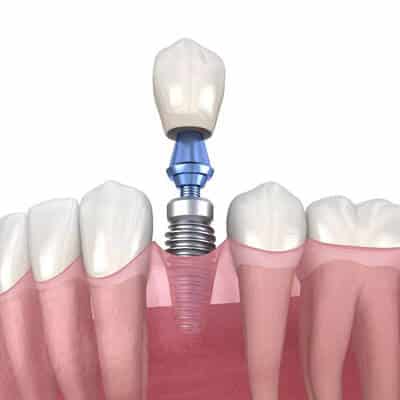
In some cases, tooth extraction may not be the only option. Your dentist may recommend alternatives such as root canal therapy to save a damaged tooth or orthodontic treatment to address overcrowding. It’s essential to discuss all available options with your dentist to make an informed decision about your oral health.
Tooth extraction may seem daunting, but with the right information and support, you can navigate the process with confidence. If you’re facing tooth extraction or have concerns about your oral health, don’t hesitate to reach out to our experienced dental team. We’re here to provide compassionate care and personalized treatment to help you achieve optimal oral health. Schedule a consultation with us today and take the first step towards a healthier smile.
Recent Posts

Feb. 02, 2026
Can Dr. Modjeski Help Me Get a Date-Ready Smile in Just One Visit?

Dec. 03, 2025
Fixing Chipped or Gapped Teeth: Can Porcelain Veneers Solve Multiple Smile Problems at Once?
Nov. 03, 2025
Fixing a Crossbite: Functional and Aesthetic Correction with Invisalign in Yorkville, IL

Oct. 03, 2025
The Clock is Ticking: 5 Essential Steps to Take Before You “Lose-It” on Your Dental Insurance Benefits

Sep. 05, 2025
The Longevity of Dental Implants: A Long-Term Solution for Yorkville Residents
Catagories
- cosmetic dentist in Yorkville (0)
- Cosmetic Dentistry (5)
- Crooked Teeth (1)
- Crowns and bridges (1)
- Dental Implants (18)
- Dentist in Yorkville (4)
- Dentures (4)
- Digital X-Rays (1)
- Emergency Dentistry (4)
- Invisalign (7)
- Oral Care (8)
- Oral Surgery (1)
- Periodontal Therapy (3)
- Porcelain Veneers (6)
- Prairie Garden Dental (44)
- Root Canal Treatment (4)
- Sleep apnea (4)
- Sumner Dental Group (0)
- Teeth Whitening (7)
- tooth extraction (3)
- Uncategorized (6)
- Veneers (2)