June 15, 2026
Dental Health
When you lose a tooth — or several — the decisions ahead can feel overwhelming. Two of the most common solutions are dentures and dental implants. Understanding dentures vs. implants: which preserves your jaw longer in Yorkville is a question Dr. Reena Modjeski hears often at Prairie Garden Dental. The answer matters more than most people realize, especially when it comes to your long-term jaw health.
Why Jaw Preservation Matters After Tooth Loss
Most patients focus on restoring their smile after tooth loss. That is completely understandable. But beneath the surface, something more serious is happening to your jawbone.
When a tooth root is no longer present, the jawbone loses the stimulation it needs. This process is called bone resorption. Over time, the bone literally shrinks away.
Bone loss changes your facial structure. It can cause a sunken or aged appearance around the mouth. It also makes future dental work more complicated and costly.
This is why the choice between dentures and implants is about far more than cost alone. It is a decision with real long-term consequences for your jaw and your face.
How Dentures Work — And Where They Fall Short
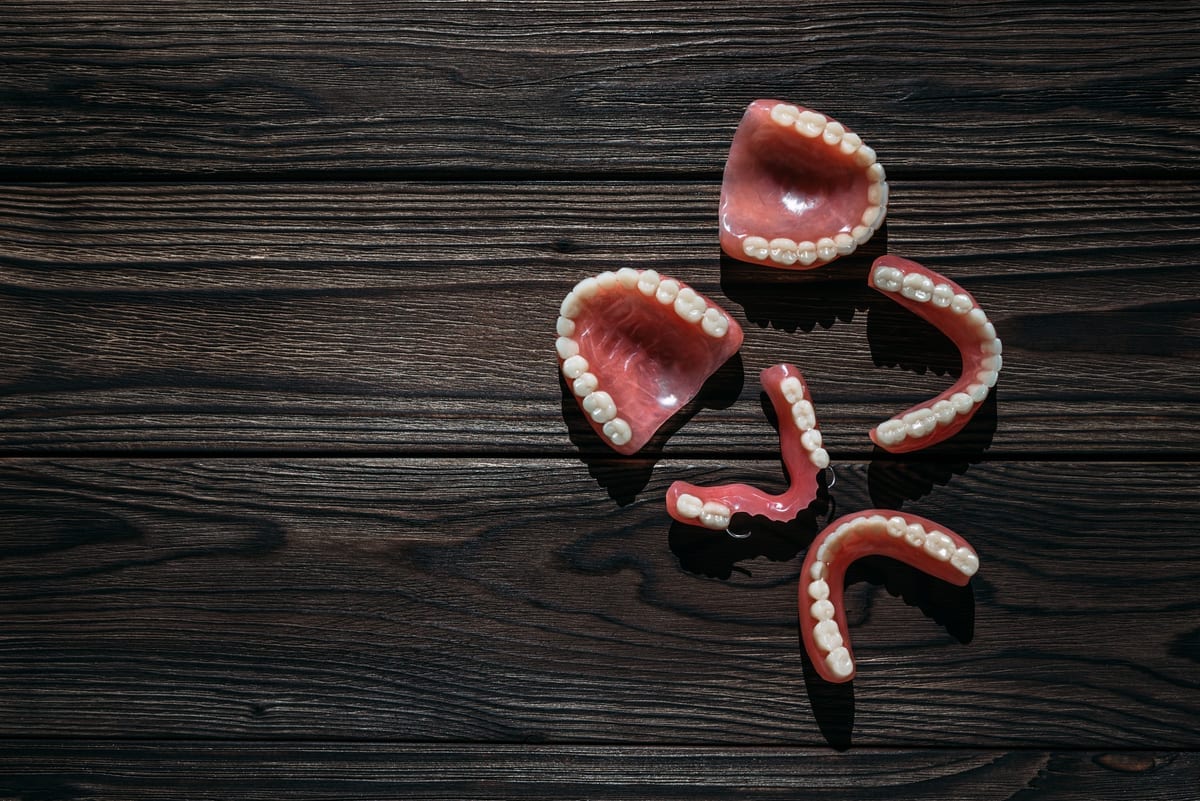
Dentures have been a trusted tooth replacement option for generations. They are removable prosthetics designed to look and function like natural teeth. Modern dentures are more comfortable and natural-looking than ever before.
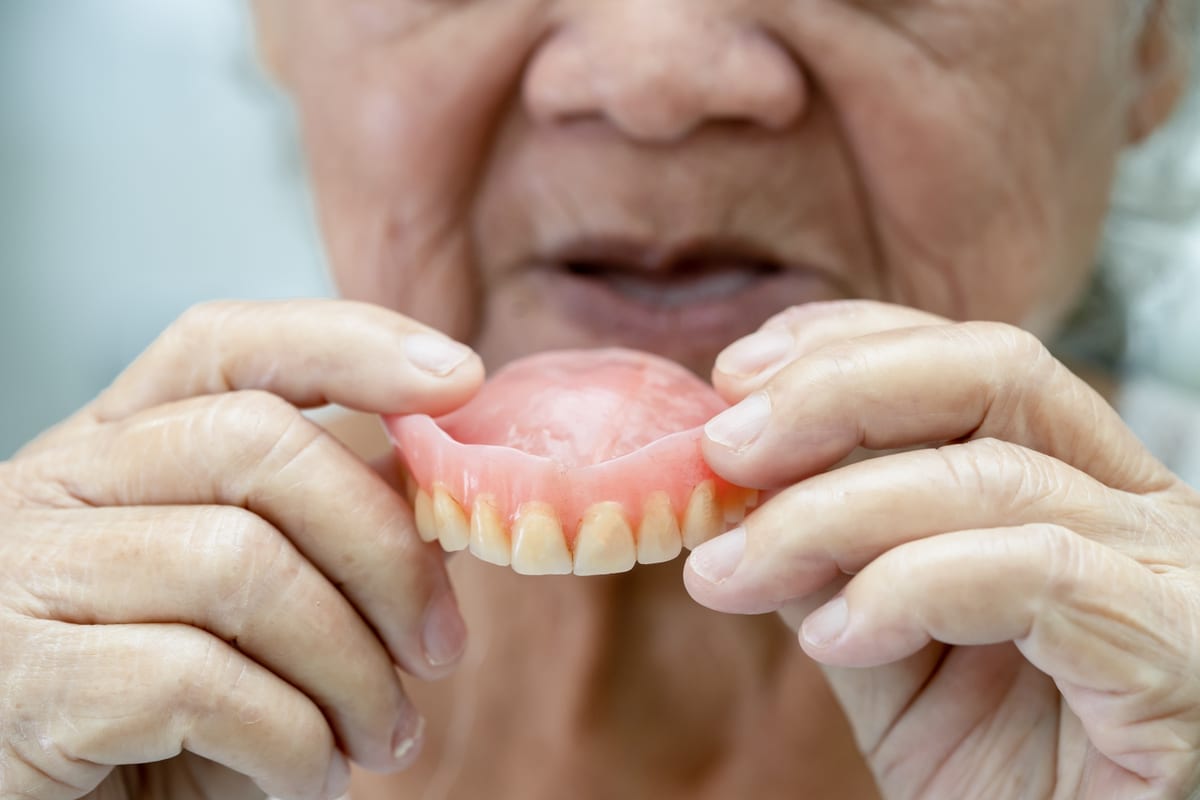
However, dentures do not address bone loss. They rest on top of the gum tissue. They do not integrate with the jawbone at all.
Over time, as your jawbone resorbs, your dentures will fit less and less securely. You may notice slipping, clicking, or difficulty chewing. Most patients need denture adjustments or replacements every five to eight years.
Here are some key facts about dentures to keep in mind:
- Lower upfront cost compared to implants
- Non-surgical and suitable for many health conditions
- Do not stimulate the jawbone or prevent bone loss
- May require adhesives for a secure fit over time
- Need periodic relining or replacement as jaw shape changes
For patients who are not surgical candidates, dentures remain a valid and effective choice. Dr. Modjeski works with each patient individually to find the best fit for their needs and circumstances.
Dentures vs. Implants in Yorkville — The Bone Preservation Difference
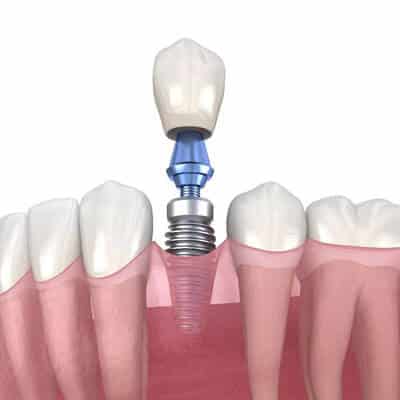
Dental implants take a fundamentally different approach. A titanium post is surgically placed directly into the jawbone. This post acts as an artificial tooth root.
Over several months, the implant fuses with the surrounding bone. This process is called osseointegration. It is what makes implants the gold standard for long-term jaw preservation.
Because the implant mimics a natural root, it stimulates the bone every time you bite or chew. This stimulation signals the body to maintain bone density in that area. The result is dramatically less bone loss over time.
When weighing dentures vs. implants for Yorkville patients, the bone preservation advantage of implants is significant. Studies suggest implants can prevent up to 98% of the bone loss that typically follows tooth extraction.
Here is a side-by-side comparison of the two options:
- Dentures: No bone stimulation, bone loss continues over time
- Implants: Direct bone stimulation, bone density is preserved
- Dentures: May shift or require adhesives as jaw changes
- Implants: Fixed and stable, function like natural teeth
- Dentures: Lower initial cost, but ongoing maintenance expenses
- Implants: Higher upfront investment, but often lower long-term cost
- Dentures: No surgery required
- Implants: Require a minor surgical procedure
The Real Cost Comparison Over Time
Many patients initially choose dentures because the upfront cost is lower. That is a completely reasonable concern. Dental implants require a larger investment to start.
But the long-term picture looks quite different. Dentures require relining, adjustments, and eventual replacement. These costs add up significantly over a decade or two.
Implants, on the other hand, can last a lifetime with proper care. The crown on top may need replacement after 15 to 20 years. But the implant post itself often remains functional indefinitely.
There is also the hidden cost of bone loss. As the jaw shrinks, more complex procedures may be needed in the future. Bone grafting before implant placement, for example, adds both time and expense.
Patients who invest in implants earlier often avoid these complications entirely. It is worth having an honest conversation with Dr. Modjeski about your personal situation and timeline.
Quality of Life — Eating, Speaking, and Confidence
Beyond bone health, implants and dentures differ dramatically in daily quality of life. This is something Yorkville patients frequently discuss during consultations.
Implants feel and function like natural teeth. You can eat anything you enjoy without restriction. There is no slipping, no adhesive, and no need to remove them at night.
Dentures do require some dietary modifications. Hard, sticky, or crunchy foods can be problematic. Speaking clearly can also take adjustment, especially with new dentures.
Confidence is another factor that is easy to underestimate. Many implant patients report feeling completely natural in social situations. They do not think about their teeth at all — which is exactly the goal.
If you are also considering smile enhancement, explore options like Cosmetic Dentistry Yorkville Il to see what additional treatments may complement your restoration. For patients with existing dental concerns, Root Canal Therapy Yorkville Il may be a necessary first step before any restorative work begins.
Who Is a Good Candidate for Each Option?
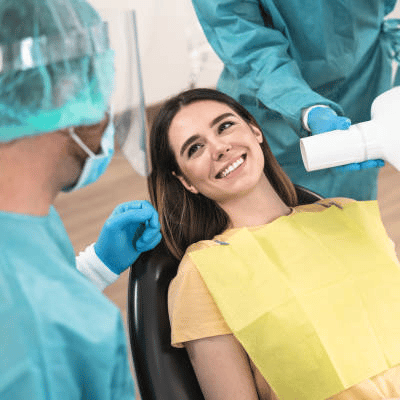
Not every patient is immediately ready for implants. Certain health conditions, medications, or insufficient bone density can affect candidacy. A thorough exam and imaging are always the first step.
Patients who smoke or have uncontrolled diabetes may face higher implant failure risks. That does not mean implants are off the table — it means preparation and planning are essential.
Dentures may be the right immediate solution for some patients. In other cases, implant-supported dentures offer a middle ground. These use a small number of implants to anchor a full denture securely.
Dr. Modjeski takes time to review each patient’s full health history, bone density, and goals. There is no one-size-fits-all answer — only the right answer for you.
Making the Right Decision for Your Smile in Yorkville
The question of dentures vs. implants is not just about your smile today. It is about your jaw, your face, and your overall health for decades to come. Both options have their place, and both can be done beautifully at Prairie Garden Dental.
What matters most is making an informed decision with a dentist who truly listens. Dr. Reena Modjeski and the team at Prairie Garden Dental are here to guide you through every step. You deserve honest, personalized guidance — not a rushed sales pitch.
If you are ready to explore your options and find the best path forward for your jaw health, Book Now to schedule your appointment with our team.
Frequently Asked Questions
Do dentures cause bone loss in the jaw?
Yes. Dentures sit on top of the gum tissue and do not stimulate the underlying jawbone. Without that stimulation, the bone gradually resorbs over time. This is one of the primary reasons dental implants are considered superior for long-term jaw preservation.
How long do dental implants last compared to dentures?
Dental implants can last a lifetime with proper care. The titanium post fuses with the jawbone and typically remains stable indefinitely. Dentures, by contrast, usually need relining or full replacement every five to eight years as the jaw shape changes.
Are dental implants painful to get?
Most patients are surprised by how comfortable the implant process is. Local anesthesia is used during the procedure, and most patients report mild soreness afterward. The healing period takes several months, but discomfort during this time is generally manageable.
Can I get implants if I already wear dentures?
In many cases, yes. Dr. Modjeski can evaluate your current bone density and overall health to determine if implants are an option. If some bone loss has already occurred, a bone graft may be needed first before implant placement.
What is an implant-supported denture?
An implant-supported denture uses a small number of strategically placed implants to anchor a full denture in place. This option provides more stability than traditional dentures while also offering some degree of bone stimulation. It is a popular middle-ground solution for patients who want improved denture function.
Recent Posts
Oct. 19, 2026
Full vs Partial vs Implant Dentures: Which Fits Your Smile Best
Oct. 12, 2026
Root Canal Myths That Keep Patients Unnecessarily Anxious

Sep. 28, 2026
Emergency Dental Care Costs Less Now Than Waiting Will Later

Sep. 21, 2026
Your Cosmetic Dental Work Will Only Last If You Do This

Sep. 14, 2026
Breaking the Bruxism Cycle: Why Your Grinding Worsens TMJ Pain
Catagories
- cosmetic dentist in Yorkville (0)
- Cosmetic Dentistry (5)
- Crooked Teeth (1)
- Crowns and bridges (1)
- Dental Health (18)
- Dental Implants (18)
- Dentist in Yorkville (4)
- Dentures (4)
- Digital X-Rays (1)
- Emergency Dentistry (4)
- Invisalign (7)
- Oral Care (8)
- Oral Surgery (1)
- Periodontal Therapy (3)
- Porcelain Veneers (6)
- Prairie Garden Dental (44)
- Root Canal Treatment (4)
- Sleep apnea (4)
- Sumner Dental Group (0)
- Teeth Whitening (7)
- tooth extraction (3)
- Uncategorized (6)
- Veneers (2)