May 21, 2024
Root Canal Treatment
What Is A Root Canal?
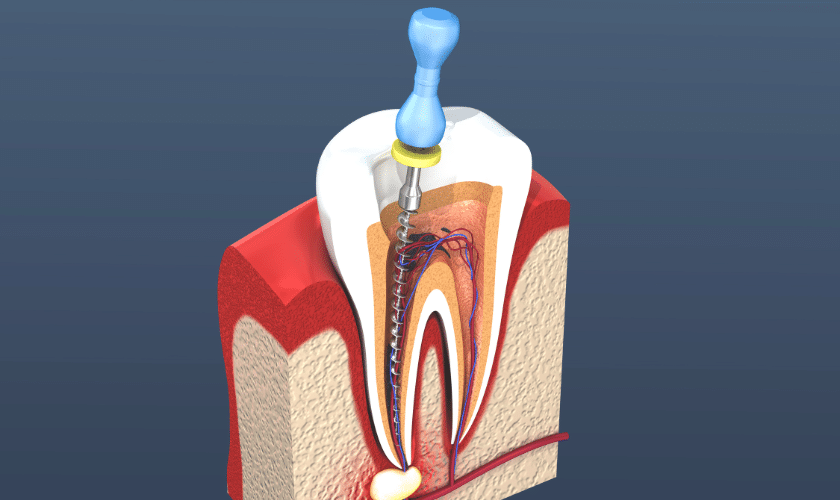
A root canal is a dental procedure designed to treat infection or damage within the pulp of a tooth. The pulp, which contains nerves and blood vessels, can become infected or damaged due to various reasons. A root canal involves removing the affected pulp, cleaning the inside of the tooth, and sealing it to prevent further infection. This procedure not only alleviates pain but also saves the tooth from extraction.
Why Is A Root Canal Needed?
Root canals are necessary for several reasons, including infection or decay, trauma, repeated dental procedures, genetics, gum disease, and cracked tooth syndrome.
Infection Or Decay
The most common reason for needing a root canal is an infection or severe decay that has reached the pulp of the tooth. This can cause significant pain and, if left untreated, may lead to abscesses and other serious dental issues.
Trauma
A traumatic injury to a tooth, such as a severe crack or chip, can expose the pulp to bacteria, leading to infection. In such cases, a root canal is often required to save the tooth and prevent further complications.
Repeated Dental Procedures
Teeth that have undergone multiple dental procedures can become weakened, making them more susceptible to infection and damage. A root canal may be necessary to address these issues and preserve the integrity of the tooth.
Genetics
Some individuals are genetically predisposed to having thinner enamel or other dental anomalies that make their teeth more vulnerable to decay and infection. In such cases, root canals can help maintain dental health and prevent further issues.
Gum Disease
Advanced gum disease, or periodontitis, can cause the gums to recede and expose the roots of the teeth to bacteria, leading to infection. A root canal can address the resulting damage and save the affected tooth.
Cracked Tooth Syndrome
Cracks in a tooth can extend into the pulp, causing pain and increasing the risk of infection. A root canal is often necessary to treat the damage and protect the tooth from further issues.
The Root Canal Procedure
Understanding that root canal in Yorkville can help alleviate some of the anxiety associated with it. Here’s a step-by-step overview of what to expect:
- Diagnosis and X-rays: The dentist will first examine the tooth and take X-rays to determine the extent of the damage or infection.
- Anesthesia: Local anesthesia is administered to numb the affected area, ensuring a pain-free procedure.
- Accessing the Pulp: A small hole is drilled into the tooth to access the infected or damaged pulp.
- Removing the Pulp: The infected or damaged pulp is carefully removed using specialized instruments.
- Cleaning and Shaping: The inside of the tooth is cleaned and shaped to prepare it for filling.
- Filling and Sealing: The cleaned and shaped root canals are filled with a biocompatible material and sealed to prevent future infection.
- Restoration: A crown or filling is placed on the tooth to restore its function and appearance.
Post-Procedure Recovery
After the root canal procedure, the healing process begins. It’s important to follow your dentist’s instructions to ensure a smooth recovery and prevent complications. Here’s what you can expect during the recovery period:
Immediate Post-Procedure
Right after the procedure, you may experience some discomfort and sensitivity, which is normal. Your dentist may prescribe pain relievers or recommend over-the-counter medications to manage the pain.
The First Few Days
During the first few days following the procedure, it’s essential to take care of your tooth and gums. Here are some tips:
- Avoid hard and chewy foods: Stick to a soft diet to prevent any strain on the treated tooth.
- Maintain good oral hygiene: Brush and floss gently around the treated area to keep it clean and prevent infection.
- Use an antiseptic mouthwash: This can help reduce bacteria and promote healing.
Common Post-Procedure Symptoms
It’s normal to experience some symptoms after a root canal. However, it’s important to know what to expect and when to seek help.
Mild Discomfort (1-3 Days)
Mild discomfort is common after a root canal and typically lasts for a few days. This discomfort can usually be managed with pain relievers and should gradually subside.
Sharp Or Throbbing Pain
While some discomfort is normal, sharp or throbbing pain that persists may indicate a problem. If you experience severe pain, it’s important to contact your dentist for an evaluation.
Factors Influencing Healing Time
Several factors can influence how long it takes to heal after a root canal. These include the severity of the infection, the complexity of the procedure, and your overall oral health.
Severity Of Infection
A severe infection may require more extensive treatment and a longer healing period. In some cases, additional procedures such as an apicoectomy (surgical removal of the tip of the root) may be necessary.
Complexity Of The Procedure
The complexity of the root canal procedure can also affect the healing time. Teeth with multiple roots or curved canals may require more time to heal.
Overall Oral Health
Your overall oral health plays a significant role in the healing process. Maintaining good oral hygiene and following your dentist’s instructions can promote faster healing.
Tips For A Smooth Recovery
Here are some practical tips to help you recover smoothly after a root canal:
Follow-Up With Your Dentist
Regular follow-up appointments with your dentist are crucial to monitor the healing process and address any issues that may arise. Your dentist will check the treated tooth and ensure that it’s healing properly.
Practice Good Oral Hygiene
Maintaining good oral hygiene is essential for a smooth recovery. Brush and floss regularly, and use an antiseptic mouthwash to keep your mouth clean and free of bacteria.
Avoid Hard Or Chewy Foods
Avoiding hard or chewy foods can prevent strain on the treated tooth and promote healing. Stick to a soft diet until your dentist gives you the green light to resume normal eating habits.
Signs That Indicate A Problem
While most root canal procedures are successful, complications can occur. Here are some signs that indicate a problem and require immediate attention:
Persistent Pain: If you experience persistent pain that doesn’t improve, it may indicate an issue with the root canal.
Swelling: Swelling around the treated area can be a sign of infection or other complications.
Fever: A fever may indicate an infection and requires prompt medical attention.
Understanding the healing process after a root canal can help you manage your recovery effectively and address any issues that may arise. By following your dentist’s instructions, maintaining good oral hygiene, and attending regular follow-up appointments, you can ensure a smooth recovery and preserve your dental health. If you have any concerns or experience persistent discomfort, don’t hesitate to visit our dental office for personalized care and guidance.
Recent Posts

Feb. 02, 2026
Can Dr. Modjeski Help Me Get a Date-Ready Smile in Just One Visit?

Dec. 03, 2025
Fixing Chipped or Gapped Teeth: Can Porcelain Veneers Solve Multiple Smile Problems at Once?

Nov. 03, 2025
Fixing a Crossbite: Functional and Aesthetic Correction with Invisalign in Yorkville, IL

Oct. 03, 2025
The Clock is Ticking: 5 Essential Steps to Take Before You “Lose-It” on Your Dental Insurance Benefits

Sep. 05, 2025
The Longevity of Dental Implants: A Long-Term Solution for Yorkville Residents
Catagories
- cosmetic dentist in Yorkville (0)
- Cosmetic Dentistry (5)
- Crooked Teeth (1)
- Crowns and bridges (1)
- Dental Implants (18)
- Dentist in Yorkville (4)
- Dentures (4)
- Digital X-Rays (1)
- Emergency Dentistry (4)
- Invisalign (7)
- Oral Care (8)
- Oral Surgery (1)
- Periodontal Therapy (3)
- Porcelain Veneers (6)
- Prairie Garden Dental (44)
- Root Canal Treatment (4)
- Sleep apnea (4)
- Sumner Dental Group (0)
- Teeth Whitening (7)
- tooth extraction (3)
- Uncategorized (6)
- Veneers (2)